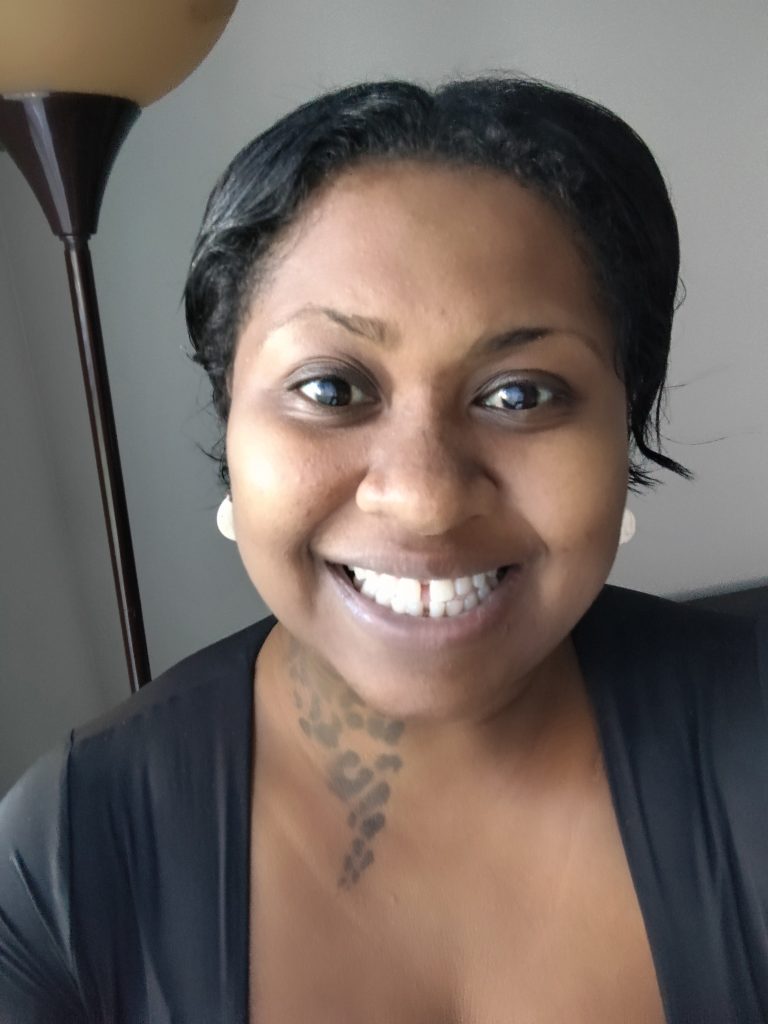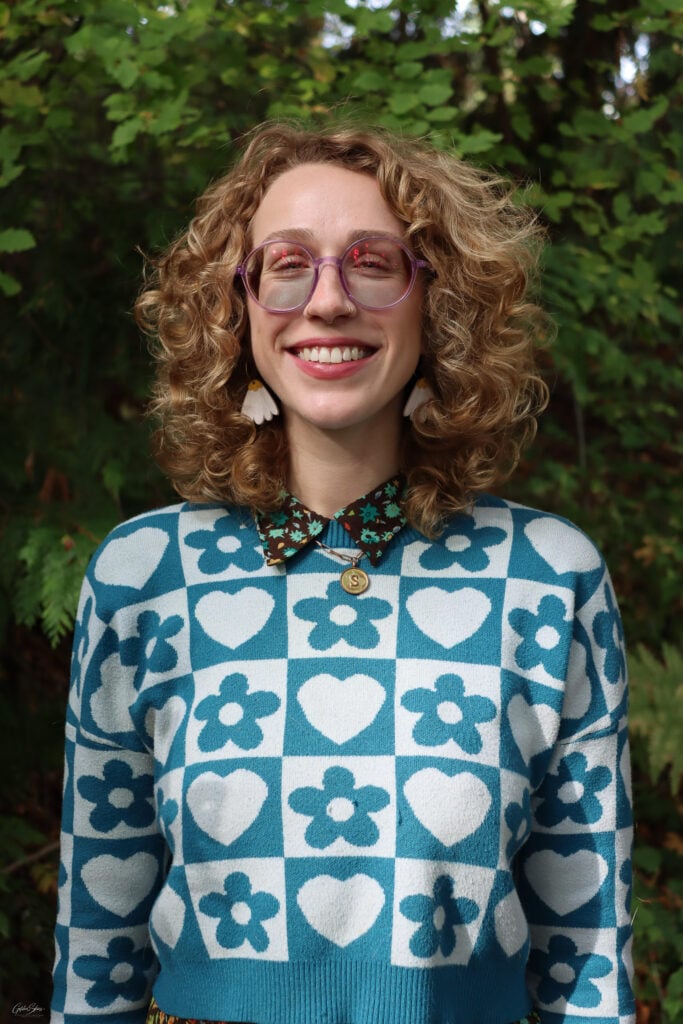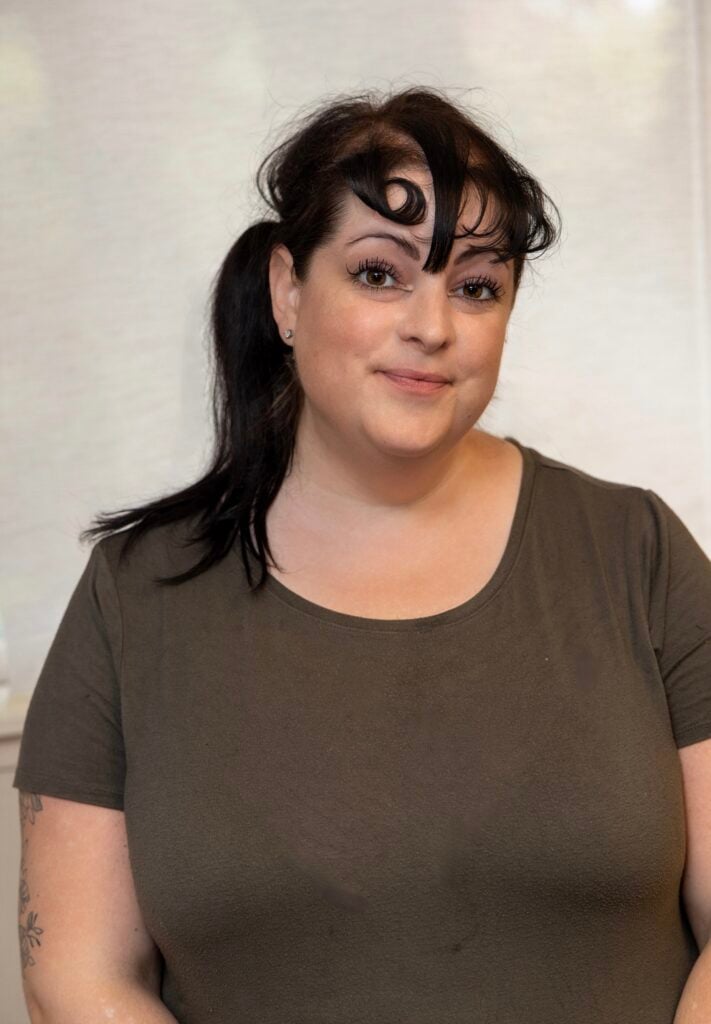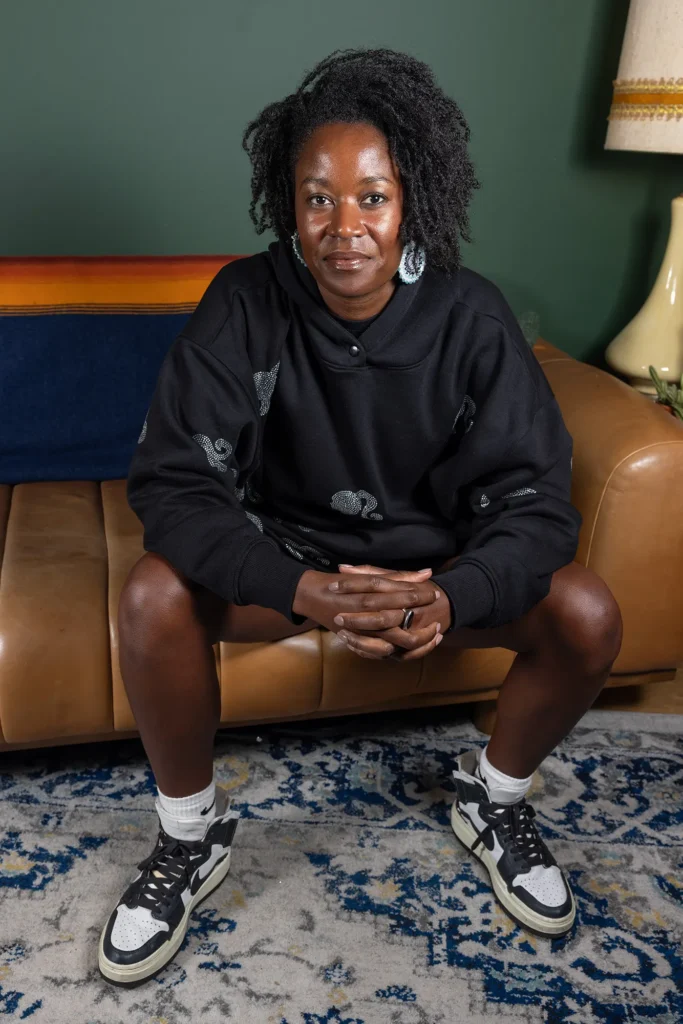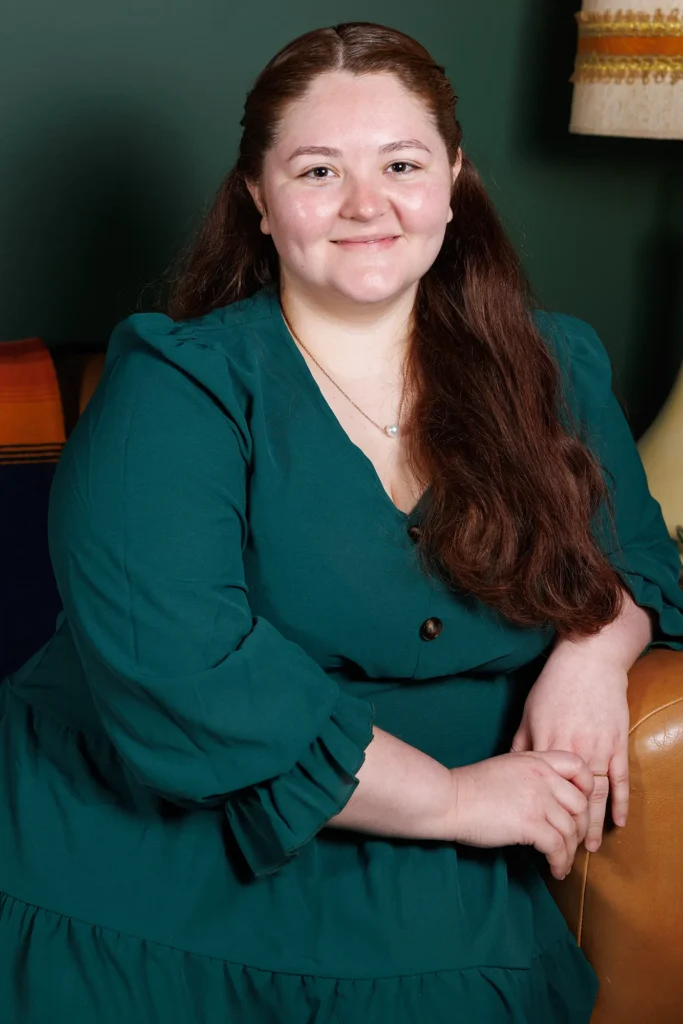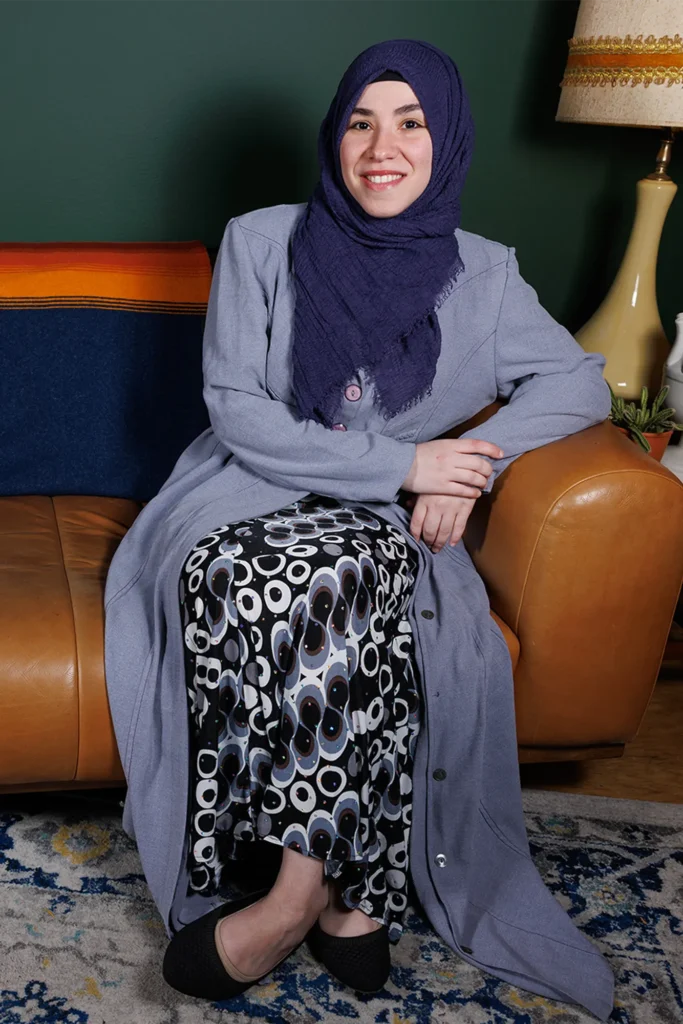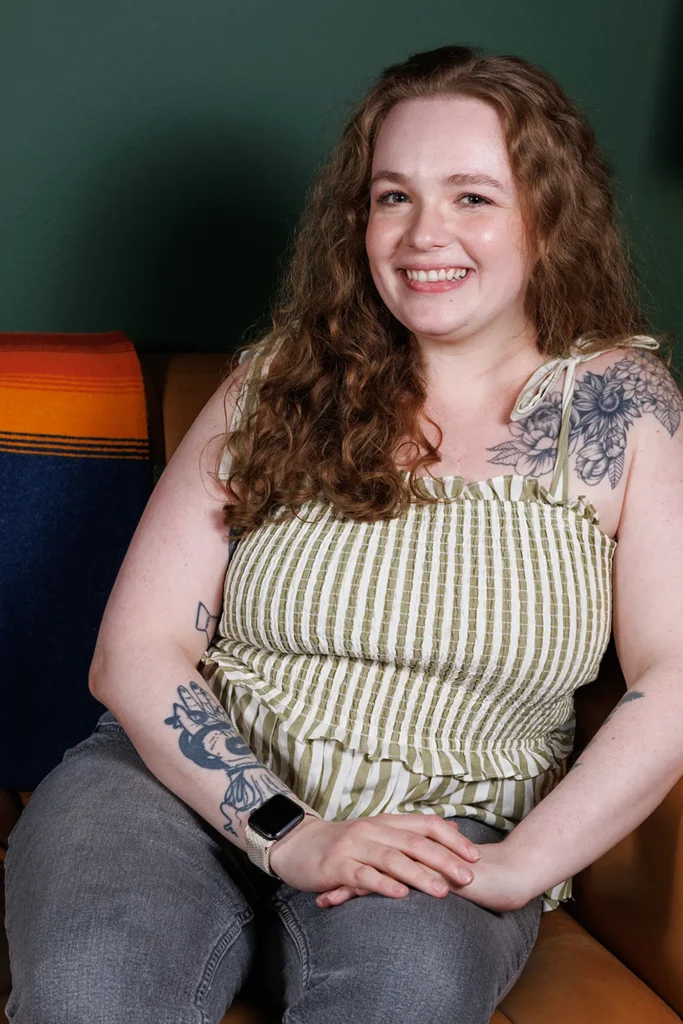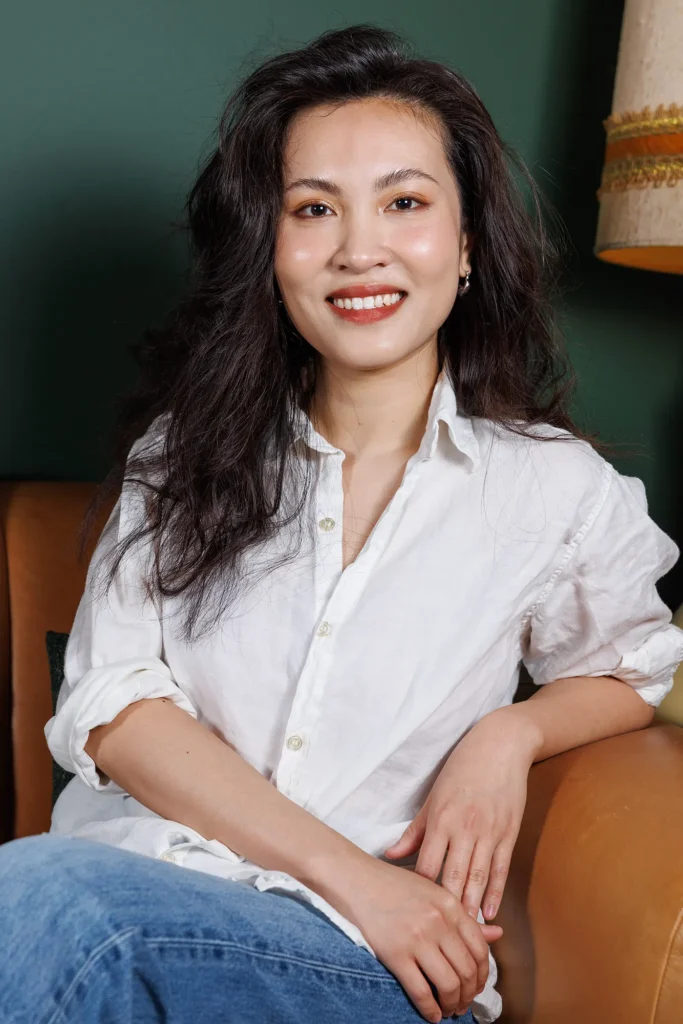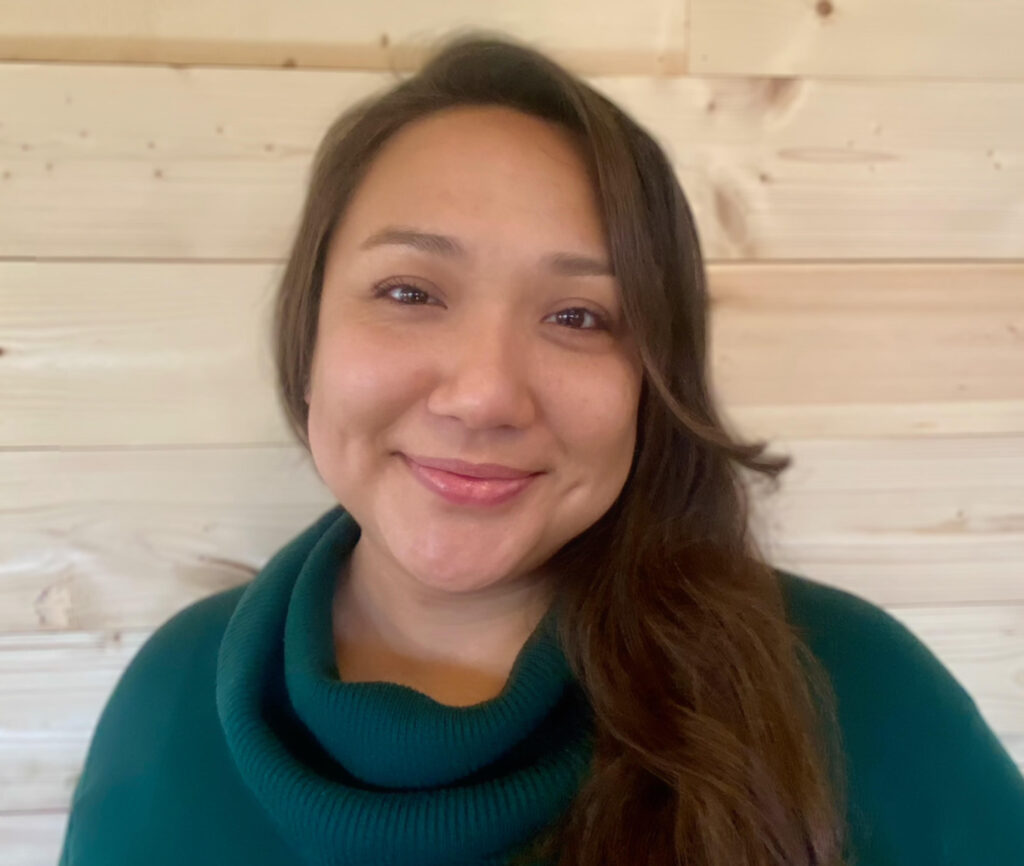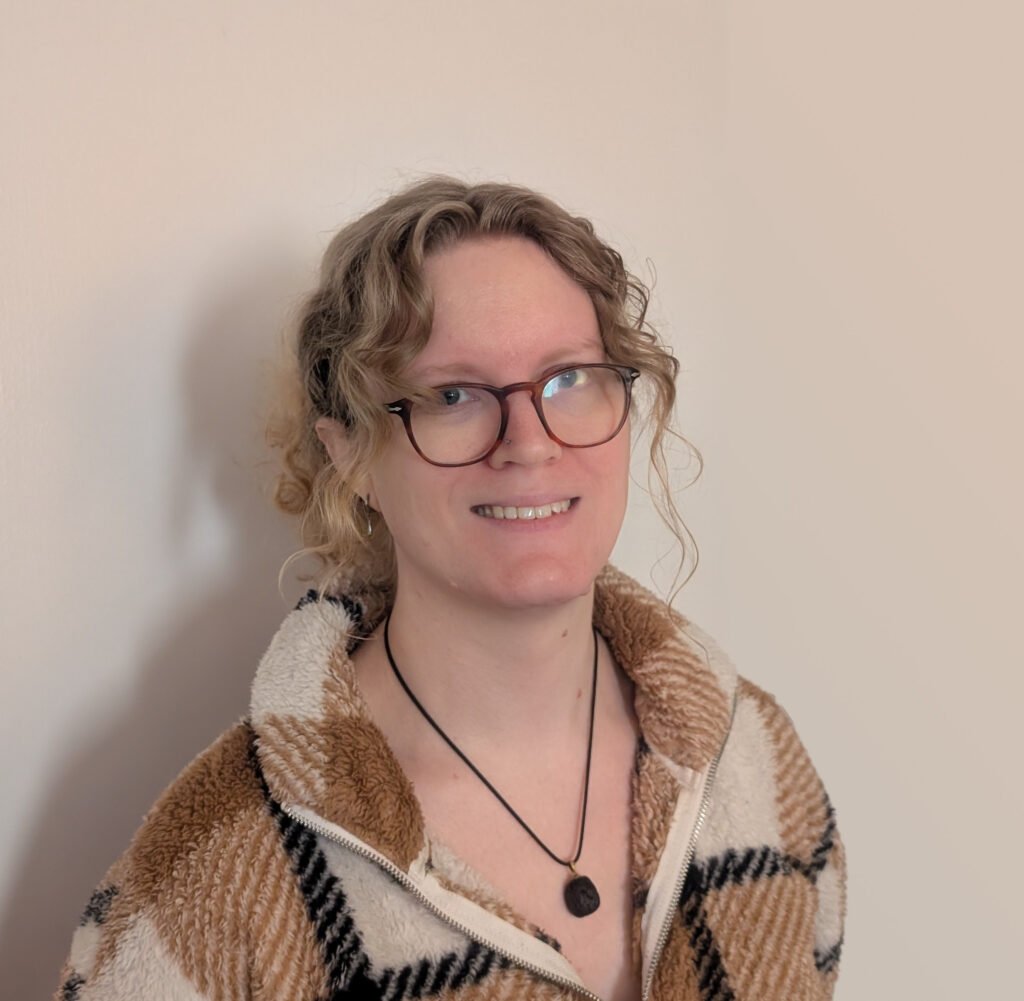
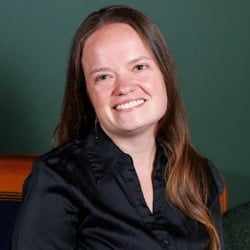
Laurel LeMohn is a therapist at Intentional Spaces Psychotherapy, a trauma-informed telehealth practice based in Washington State. Her therapeutic approach blends somatic healing, breathwork, movement, and spiritual presence to support what talk therapy alone can’t reach. Laurel draws on her own experiences with grief, chronic illness, and trauma to bring grounded, compassionate presence to her clients.



Here’s a glimpse of what you’ll learn:
- [1:26] Laurel LeMohn explains her focus on somatic, narrative, and trauma-informed therapy approaches
- [3:10] How Laurel’s lived experiences of pain and resilience shape her work with clients
- [6:42] Why no one’s pain can be compared or minimized
- [8:18] The difference between top-down talk therapy and bottom-up somatic therapy
- [11:43] Childhood experiences that inspired Laurel’s calling to become a therapist
- [16:17] Finding belonging and strength after feeling “too sensitive”
- [26:22] How Laurel carefully integrates breathwork, meditation, and body awareness in sessions
In this episode…
What if true healing required more than just talking through your struggles? For many, traditional therapy offers valuable insights, but often leaves the body and spirit behind. Could integrating the mind, body, and spirit be the missing key to deeper, lasting transformation?
According to Laurel LeMohn, a therapist who specializes in somatic and trauma-informed care, healing begins when people reconnect with their bodies and honor their lived experiences. She highlights the power of breathwork, intuitive movement, and spiritual presence to release stored trauma and restore balance. This integration helps clients feel safe, seen, and empowered to reclaim their stories. By combining traditional therapeutic modalities with holistic practices, she shows that true change emerges when individuals learn to trust their own inner wisdom and strength.
In this episode of With Intention, Liz Frost sits down with Laurel LeMohn, therapist at Intentional Spaces Psychotherapy, to discuss why integrating body, mind, and spirit matters in therapy. They explore the difference between top-down talk therapy and bottom-up somatic healing, the role of breathwork in calming the nervous system, and how lived experience shapes a therapist’s approach. Laurel also shares her vision for creating safe spaces of community and connection.
Resources Mentioned in this episode:
Quotable Moments:
- “I understand the depth of pain and heartache and trauma. I understand what it feels like to be abused, to be alienated, to be isolated.”
- “The reality is that you can’t compare one’s pain to another, that the journeys that they’ve walked, life experiences they’ve had, they are just as valid.”
- “It’s acknowledging, absolutely acknowledging, holding space for one’s feelings, validating their experience of, oh, well, of course, you know, this makes sense because of X, Y, and Z.”
- “The relationship alone is curative. That’s what we need. We need relationship. We need connection. The rest will fall into place.”
- “You are strong enough. You are worthy. You are loved just the way you are.”
Action Steps:
- Integrate somatic practices into therapy: Incorporating breathwork and body awareness helps clients reconnect with themselves beyond traditional talk therapy.
- Validate every client’s lived experience: Recognizing that no pain is “less than” creates safety and honors individual healing journeys.
- Build authentic therapeutic relationships: Trust and connection alone can foster transformation, providing the foundation for deeper work.
- Encourage clients to access inner resources: Guiding people to see they already hold the answers empowers resilience and long-term healing.
- Create inclusive spaces for community healing: Group practices and shared energy remind individuals they are not alone and foster belonging.
Sponsor for this episode
This episode is brought to you by Intentional Spaces Psychotherapy.
Founded by Liz Frost, LICSW, Intentional Spaces offers inclusive, trauma-informed virtual care across Washington State, helping individuals, couples, and families navigate life’s complexities.
Whether you’re processing religious trauma, exploring your identity, or seeking support for anxiety or depression, their diverse team of therapists specializes in EMDR, CBT, DBT, and narrative therapy, ensuring personalized support for every client.
Ready to embark on your healing journey? Go to intentionalspaces/contact, and take the first step toward a more intentional life.