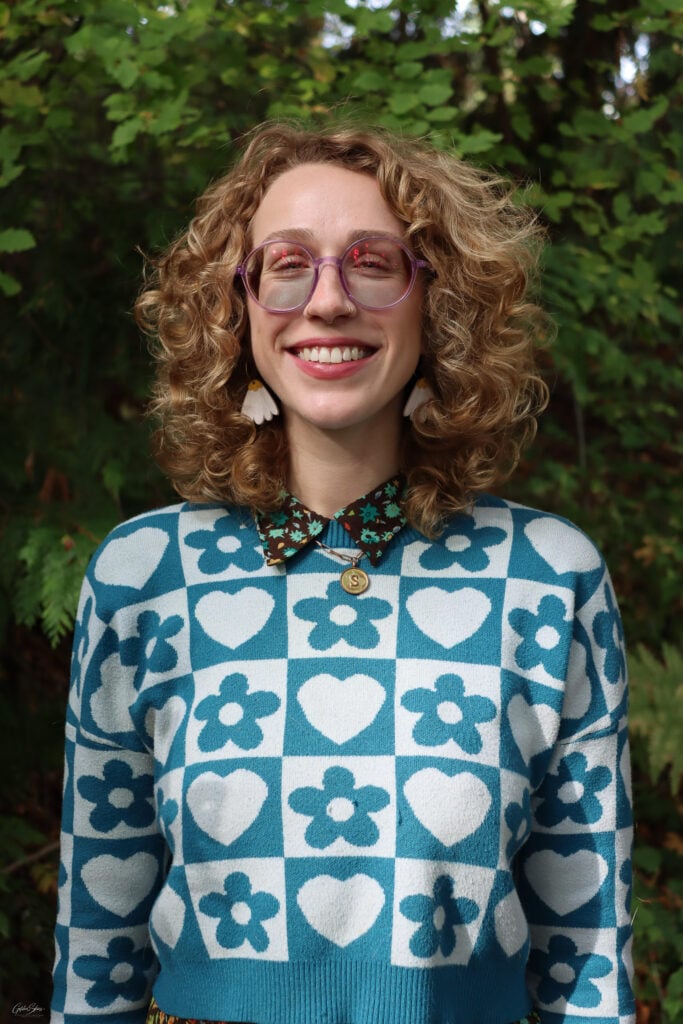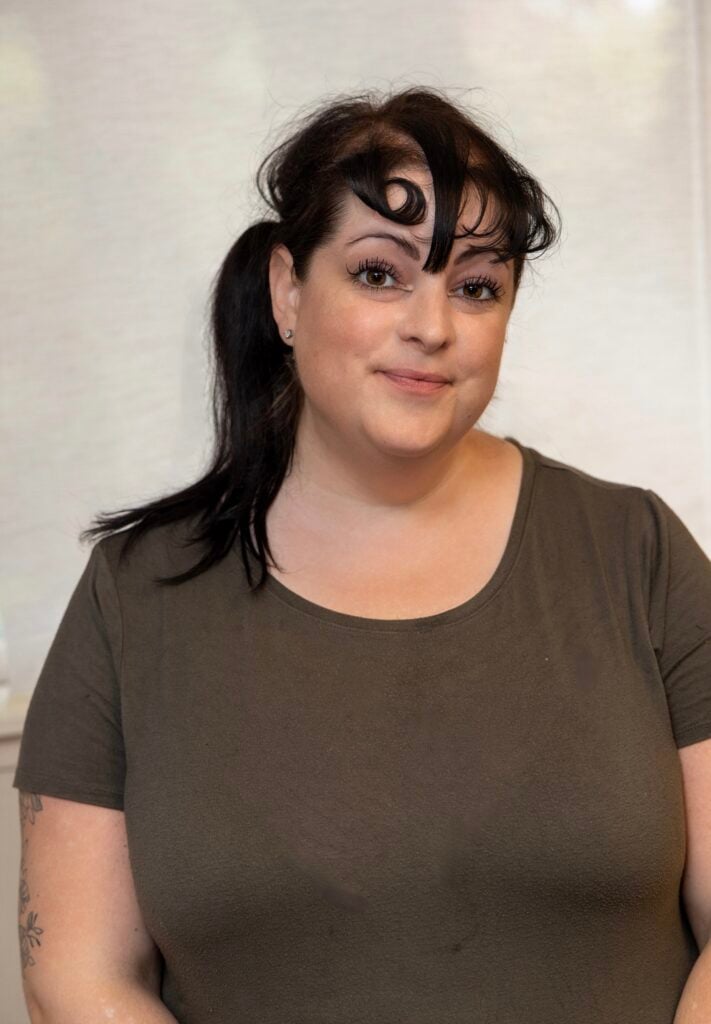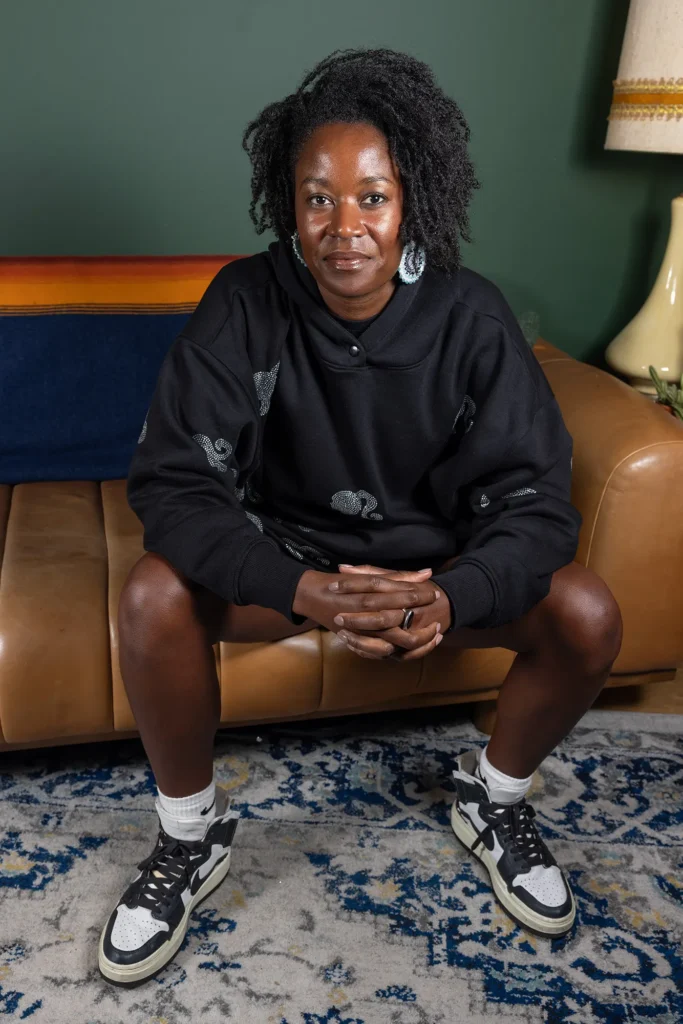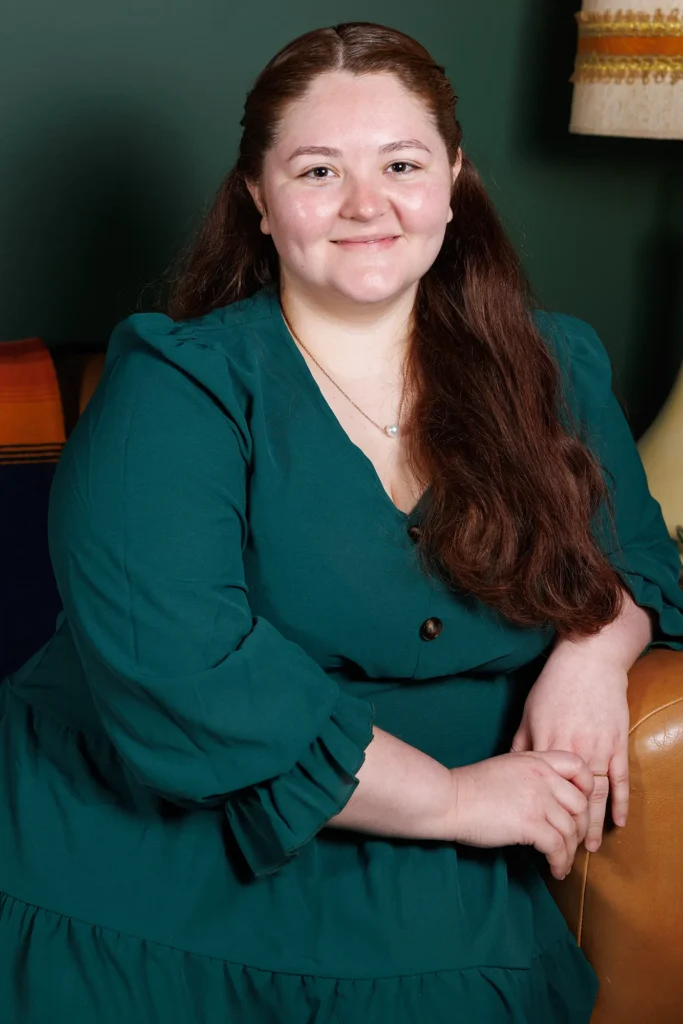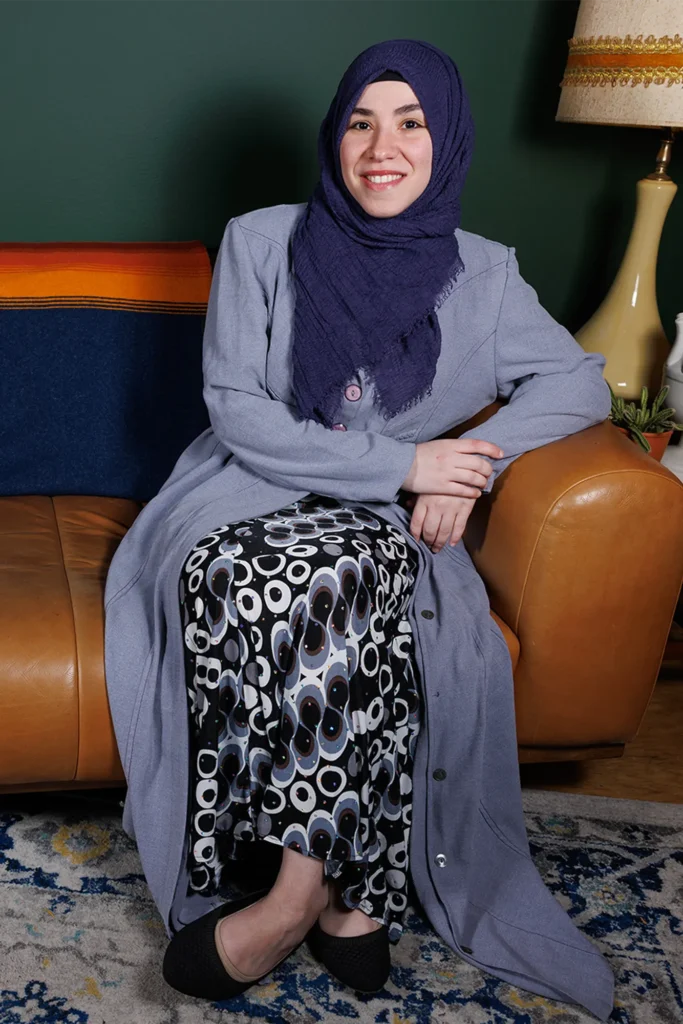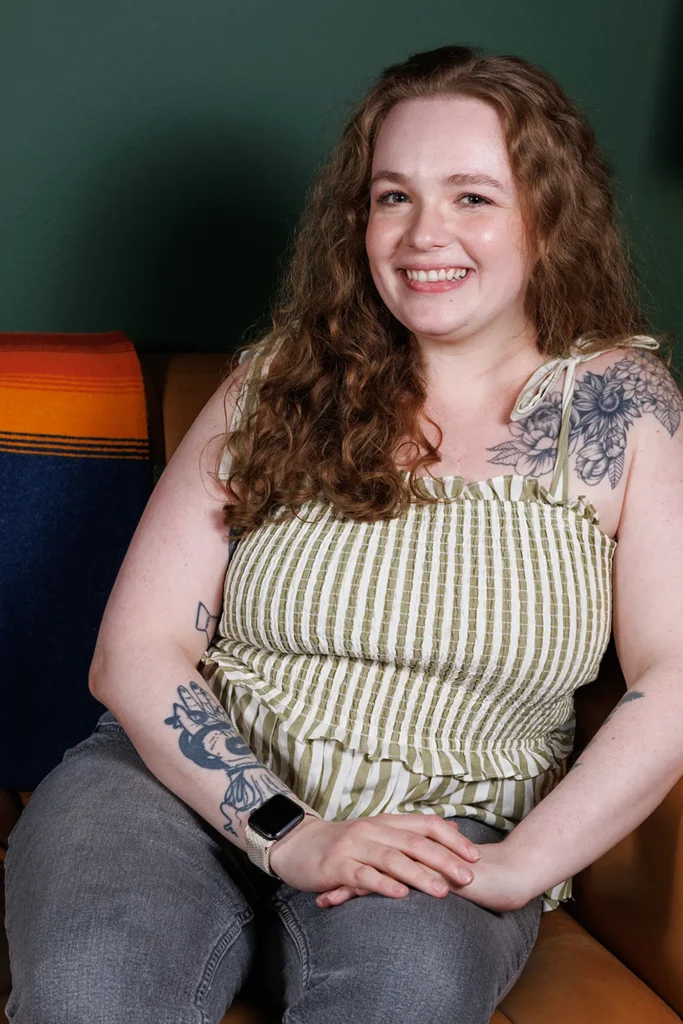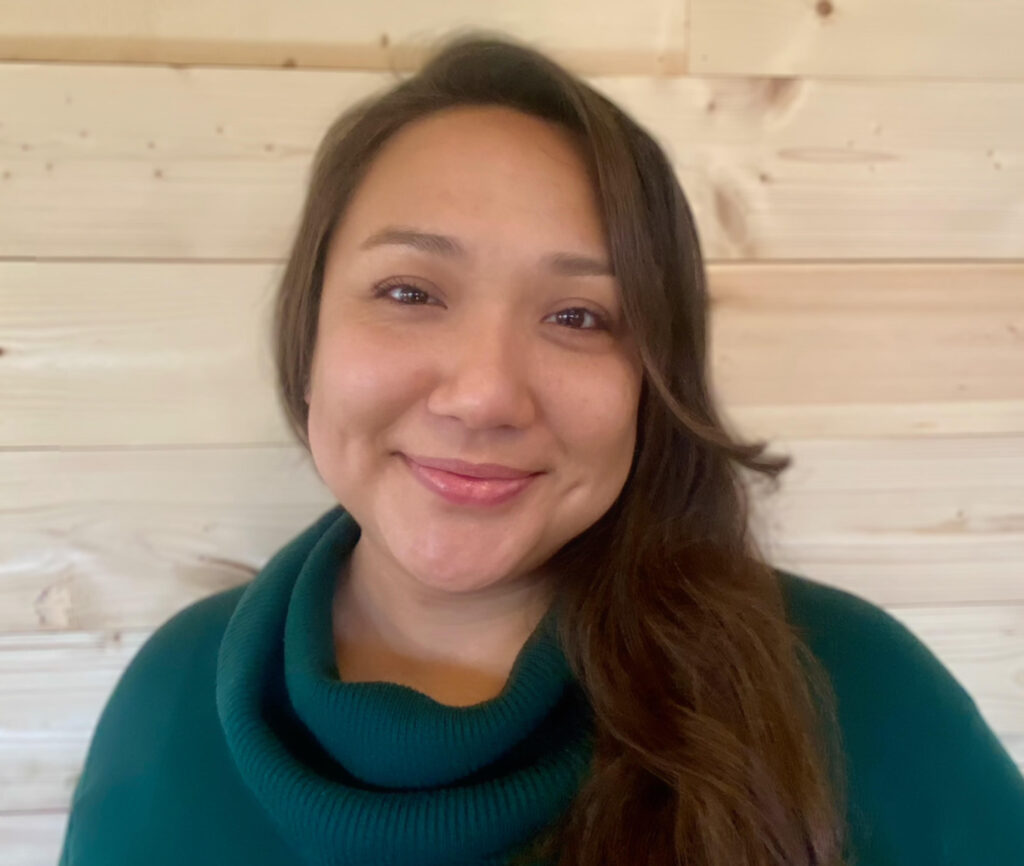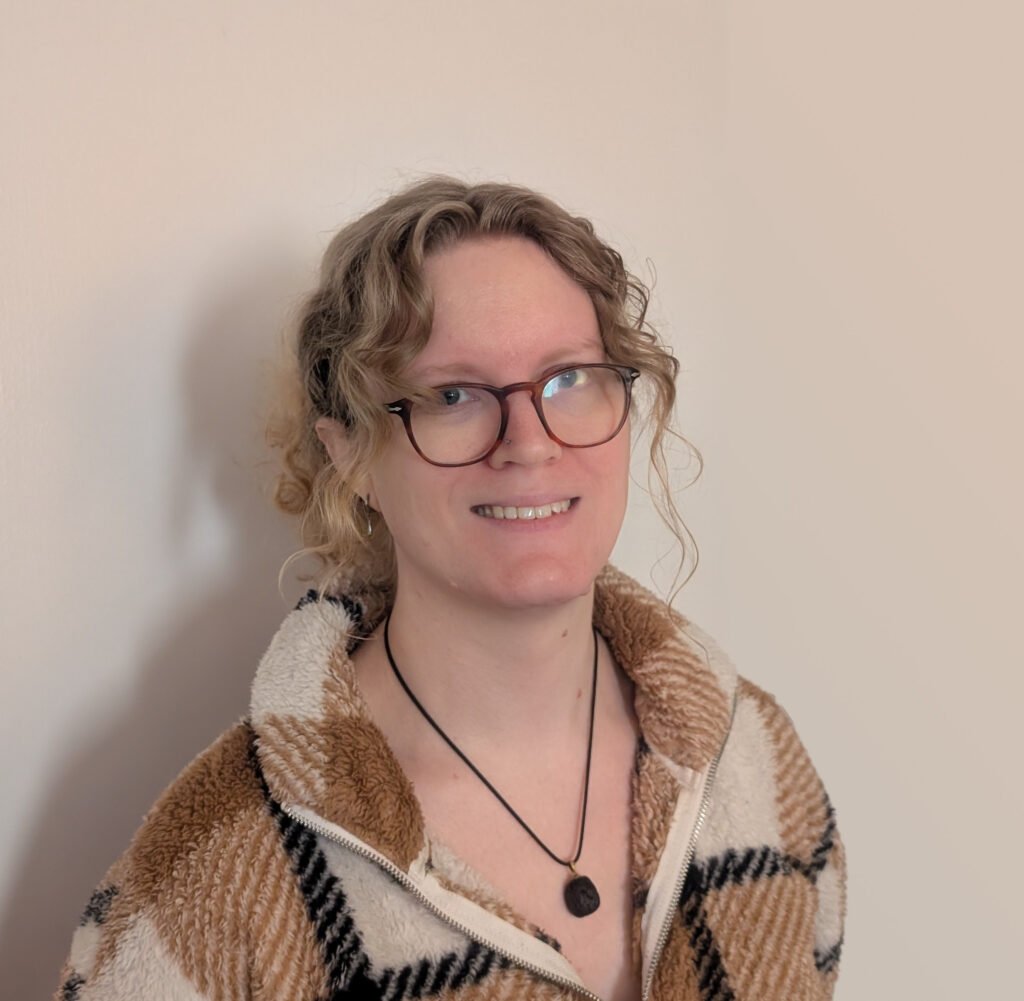

Liz Frost is the Owner and Founder of Intentional Spaces Psychotherapy, a trauma-informed telehealth practice based in Washington State. She specializes in helping clients heal from complex trauma, religious harm, and identity-related struggles. With over a decade of clinical experience, Liz integrates EMDR, narrative therapy, and mindfulness-based approaches. She is dedicated to serving the LGBTQIA+ community and fostering a supportive, inclusive practice for both clients and clinicians.



Here’s a glimpse of what you’ll learn:
- [01:31] Liz Frost shares her journey to discovering her calling in psychotherapy
- [04:36] Why Liz launched Intentional Spaces and built it from scratch
- [07:39] What trauma-informed, depth-oriented therapy means in practice
- [10:29] How past roles shaped Liz’ approach to inclusive, sustainable care
- [13:04] Building a provider-centric community to prevent burnout
- [18:02] Centering social justice and LGBTQ+ advocacy in mental healthcare
- [23:23] Balancing leadership, self-care, and sustainable practice growth
In this episode…
What does it take to create a mental health practice that is truly inclusive, intentional, and sustainable for both clients and clinicians? Beyond credentials and good intentions, what foundations must be in place to support real healing and care?
According to Liz Frost, a licensed therapist with over a decade of experience, it starts by centering humanity and rejecting one-size-fits-all care. She highlights the importance of designing therapy spaces where both clients and providers feel genuinely seen, safe, and supported. The impact is deeper trust, stronger therapeutic relationships, and long-term sustainability for clinicians. Drawing from personal and professional transformation, Liz explains how depth-oriented, trauma-informed care meets people where they are — especially those with complex trauma or marginalized identities — and how leadership rooted in empathy can shift the culture of mental healthcare.
In this episode of With Intention, Liz Frost, Owner and Founder of Intentional Spaces Psychotherapy, is interviewed by Chad Franzen of Rise25 to discuss building a more inclusive and intentional model for therapy. She shares how to create a provider-centric culture, what it means to offer trauma-informed care, and why systemic advocacy belongs in clinical spaces. Liz also talks about balancing leadership with self-care and sustainability.
Resources Mentioned in this episode:
Quotable Moments:
- “I realized that I wanted to be the medicine instead of providing the medicine, and that felt aligned.”
- “If we’re committed to the idea of not causing harm, we also have to include ourselves.”
- “You didn’t wake up one day and say, ‘okay, I think I want to be avoidantly attached’.”
- “When we have nothing left to offer our patients, we offer them our humanity.”
- “You see me now as a therapist, but that was not always the case — I had my own path.”
Action Steps:
- Build a provider-centric support structure: Empowering clinicians with autonomy and resources reduces burnout and fosters long-term sustainability.
- Prioritize therapeutic fit for every client: Matching clients with the right therapist improves trust, engagement, and clinical outcomes.
- Center trauma-informed care in your practice: Understanding the roots of behavior in trauma promotes deeper healing and reduces stigma for clients.
- Normalize therapist vulnerability and humanity: Embracing authenticity strengthens therapeutic relationships and challenges outdated power dynamics.
- Advocate for marginalized identities in clinical spaces: Actively addressing systemic harm creates safer environments and affirms clients’ lived experiences.
Sponsor for this episode
This episode is brought to you by Intentional Spaces Psychotherapy.
Founded by Liz Frost, LICSW, Intentional Spaces offers inclusive, trauma-informed virtual care across Washington State, helping individuals, couples, and families navigate life’s complexities.
Whether you’re processing religious trauma, exploring your identity, or seeking support for anxiety or depression, their diverse team of therapists specializes in EMDR, CBT, DBT, and narrative therapy, ensuring personalized support for every client.
Ready to embark on your healing journey? Go to intentionalspaces/contact, and take the first step toward a more intentional life.