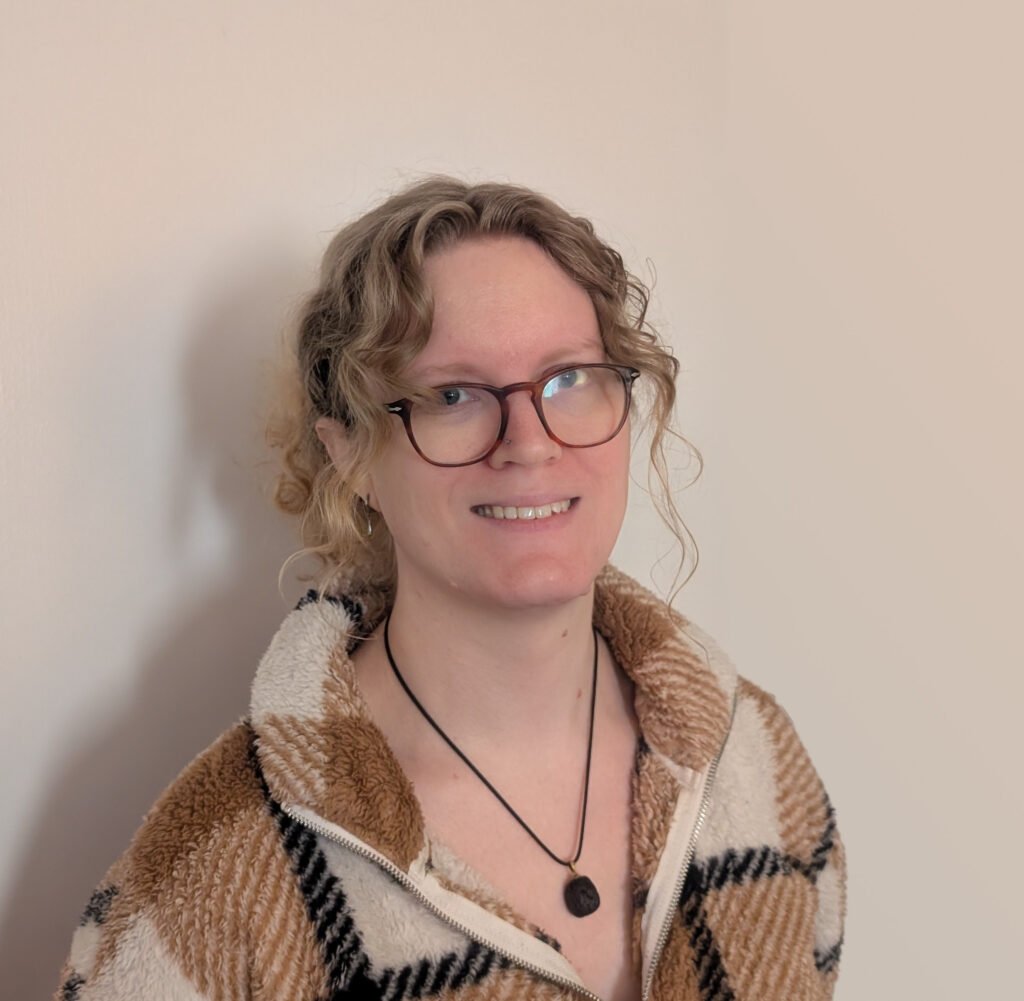

By Intentional Spaces Psychotherapy
You walk into a room and notice someone who seems more attractive or confident. You scroll through social media and see bodies you wish you had. Suddenly, you are questioning your own appearance.
Body comparison can happen automatically. You may compare your weight, skin, hair, clothing, facial features, or age without realizing how much emotional energy it takes.
When comparison becomes frequent, you may:
- Avoid photographs or social situations.
- Compare yourself to friends, strangers, or people online.
- Change clothes repeatedly because nothing feels right.
- Struggle to believe compliments.
- Let your appearance determine your confidence.
Learning how to stop comparing your body to others does not mean believing you are the most attractive person in every room. It means recognizing that someone else’s appearance does not make yours less worthy.
Why We Compare Our Bodies to Others
Comparison is a natural human tendency. The problem begins when differences in appearance become measurements of worth.
You might see someone attractive and think, “They look better than me.” Their beauty suddenly becomes evidence that you are lacking something
.
Beauty standards can strengthen this pattern. Family messages, social media, relationships, advertising, and cultural expectations can all influence what you believe your body should look like.
The standard can also keep changing.
You change one thing about your appearance only to find something else to criticize. When your body becomes a never-ending improvement project, feeling “good enough” can remain out of reach.
Why Body Comparison Is Often Unfair
When you look at another person, you may focus on their best features. When you look at yourself, you may immediately notice your insecurities.
That is not an equal comparison.
Social media can make this even harder. You may be comparing an ordinary moment in your life with someone’s carefully selected photograph.
That image might involve:
- Flattering lighting or angles.
- Carefully chosen clothing.
- One photo selected from many.
- Filters or editing.
- A moment when the person felt particularly confident.
Even an unedited photograph only shows one moment.
You cannot see that person’s insecurities, difficult days, or relationship with their own body.
When Comparison Starts Controlling Your Life
Body insecurity becomes more concerning when it begins deciding what you allow yourself to experience.
You may avoid swimming, photos, dating, intimacy, or certain clothes because you don’t feel confident enough.
You may tell yourself, “I’ll do that when I lose weight,” or “I’ll feel confident when I look better.”
But life continues while you wait.
There will probably always be someone who looks different from you or fits a beauty standard you admire.
If confidence depends on winning every comparison, it will always feel fragile.
How to Bring Your Attention Back to Yourself
You do not need to stop noticing attractive people. Instead, practice noticing when admiration turns into self-criticism.
You can:
- Name the comparison. Notice when your mind starts ranking your appearance.
- Separate admiration from judgment. Someone else can look good without you looking bad.
- Question your standards. Consider where your idea of the “ideal” body came from.
- Reduce body checking. Notice when mirrors, photos, or social media increase criticism.
- Return to the moment. Focus on what you were enjoying before comparison took over.
You can also change your social media environment.
If certain accounts consistently leave you feeling ashamed or inadequate, consider unfollowing them or reducing how often you see appearance-focused content.
Protecting your mental health does not mean avoiding beautiful people. It means noticing what repeatedly makes you feel worse about yourself.

Building a Healthier Relationship With Your Body
You do not have to love your body every day to respect it.
Your body is more than something other people see. It allows you to experience relationships, movement, comfort, laughter, rest, affection, and everyday life.
Try shifting the focus from how your body looks to how you treat it.
You might practice:
- Wearing clothes that feel comfortable now.
- Resting without believing you have to earn it.
- Moving your body in ways that feel supportive.
- Speaking about yourself with less criticism.
- Participating in life without waiting for your appearance to change.
Someone else’s beauty does not take anything away from you.
You can think, “They look great,” without adding, “and therefore I don’t.”
That small change can gradually make comparison feel less powerful.
When Therapy May Help
Occasional body comparison is common. But sometimes thoughts about appearance begin taking up too much emotional space.
Therapy may be helpful if body insecurity affects your relationships, social life, intimacy, eating, movement, confidence, or willingness to participate in activities.
It can also help you understand where your beliefs about your body began.
You may discover connections to criticism, bullying, social media, perfectionism, cultural expectations, past relationships, or struggles with self-worth.
A healthier body image does not necessarily mean loving everything you see in the mirror.
Sometimes progress simply means thinking about your appearance less and living your life more.
A Gentle Closing Thought
There will always be people you consider attractive. Learning to feel comfortable with yourself does not require pretending otherwise.
The goal is to stop treating someone else’s beauty as evidence against your own.
You do not have to be the most attractive person in the room to belong there. You do not need a different body before wearing clothes you enjoy, taking photographs, dating, traveling, swimming, or allowing yourself to be seen.
Your life does not have to wait for your appearance to change.
When comparison shows up, gently bring your attention back to yourself, your relationships, your values, and the life happening around you.
Instead of asking, “Do I look as good as everyone else?” try asking:
“Am I allowing myself to live fully in the body I have today?”
Your body does not need to win a comparison to deserve care, respect, and a place in your life.