
Intentional Spaces Blog

At Intentional Spaces, we believe that mental health care goes beyond the walls of the therapy room—it involves advocating for a world that respects and upholds the dignity, rights, and well-being of every person. Here on our blog, we will share insights, resources, and our stance on pressing issues like LGBTQ+ rights, women’s healthcare, and transgender healthcare.

Why Do I Feel Guilty Setting Boundaries with Family? thumbnail

Why Do I Feel Guilty Setting Boundaries with Family?

By Intentional Spaces Psychotherapy   Setting boundaries with family can feel surprisingly difficult. Even when limits are reasonable and necessary, there can be an immediate sense of guilt, discomfort, or...

Read More
Delayed Grief: Why It Shows Up Later thumbnail

Delayed Grief: Why It Shows Up Later

By Intentional Spaces Psychotherapy     Grief is often expected to follow a certain timeline. Many people assume that after a loss, emotions will surface immediately, be processed, and gradually...

Read More
The Difference Between Dieting and Disordered Eating thumbnail

The Difference Between Dieting and Disordered Eating

By Intentional Spaces Psychotherapy   Dieting is often normalized in everyday life. It can be framed as a way to improve health, feel more in control, or reach personal goals....

Read More
Why Stress Leads to Anger thumbnail

Why Stress Leads to Anger

By Intentional Spaces Psychotherapy   Anger and stress are often closely connected, even when it is not immediately obvious. You might notice feeling more irritable during busy periods, reacting more...

Read More
OCPD and Burnout: Why It Happens thumbnail

OCPD and Burnout: Why It Happens

By Intentional Spaces Psychotherapy   Burnout is often associated with long hours, high demands, and chronic stress. But for individuals with traits of Obsessive-Compulsive Personality Disorder (OCPD), burnout can develop...

Read More
Social Expectations and Emotional Suppression in Men thumbnail

Social Expectations and Emotional Suppression in Men

By Intentional Spaces Psychotherapy   From an early age, many men receive clear and consistent messages about how they are expected to express themselves. Phrases like “be strong,” “don’t cry,”...

Read More
Why Do I Change My Behavior Around Certain People? thumbnail

Why Do I Change My Behavior Around Certain People?

By Intentional Spaces Psychotherapy   You might notice that you act differently depending on who you’re with. Around some people, you feel relaxed and authentic. Around others, you may become...

Read More
Rebuilding Your Beliefs After Religious Trauma thumbnail

Rebuilding Your Beliefs After Religious Trauma

By Intentional Spaces Psychotherapy   Leaving a religious system, especially one rooted in fear, control, or rigid expectations, can create a profound shift in how you understand yourself and the...

Read More
Why Do I Assume the Worst All the Time? thumbnail

Why Do I Assume the Worst All the Time?

By Intentional Spaces Psychotherapy   It can feel exhausting to constantly expect that something will go wrong. A simple delay in a message can turn into worry about rejection. A...

Read More
Why Women Minimize Their Own Pain thumbnail

Why Women Minimize Their Own Pain

By Intentional Spaces Psychotherapy   Many women move through life carrying emotional weight that is rarely acknowledged, sometimes even by themselves. They may push through exhaustion, dismiss hurt feelings, or...

Read More
Emotional Sensitivity: Why Do I Feel Things So Strongly? thumbnail

Emotional Sensitivity: Why Do I Feel Things So Strongly?

By Intentional Spaces Psychotherapy     For some people, emotions are not just felt; they are experienced deeply, vividly, and sometimes overwhelmingly. A small interaction can linger for hours. A...

Read More
Screen Time and Its Impact on Learning thumbnail

Screen Time and Its Impact on Learning

By Intentional Spaces Psychotherapy   Screens are now a constant part of daily life. Children use them for school, entertainment, communication, and relaxation. Technology has made learning more accessible in...

Read More
1 2 3 11

Belong

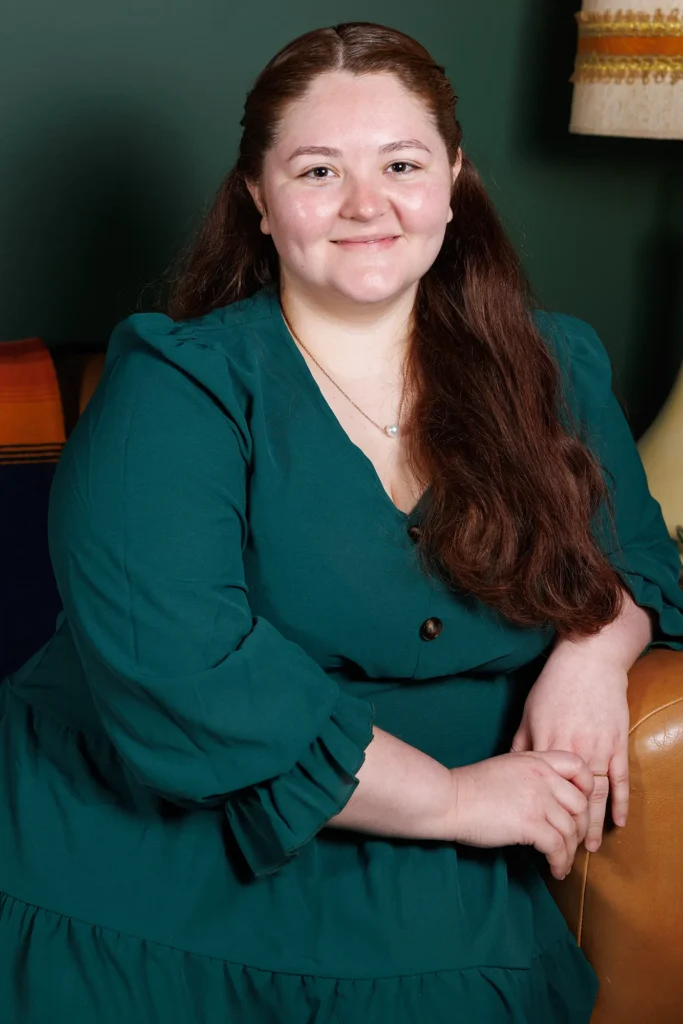
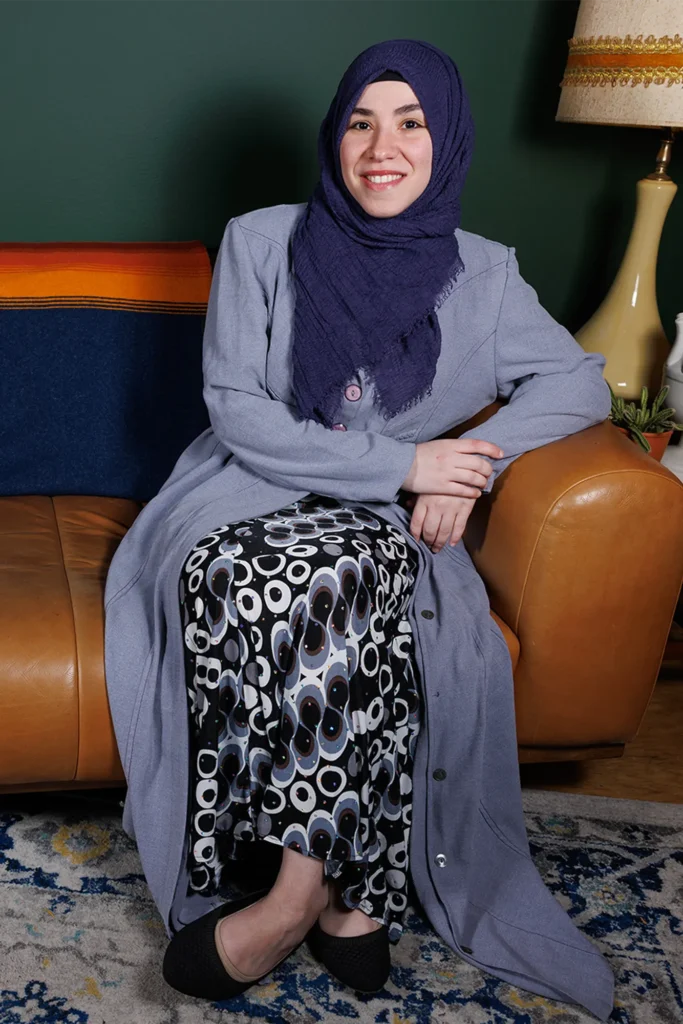
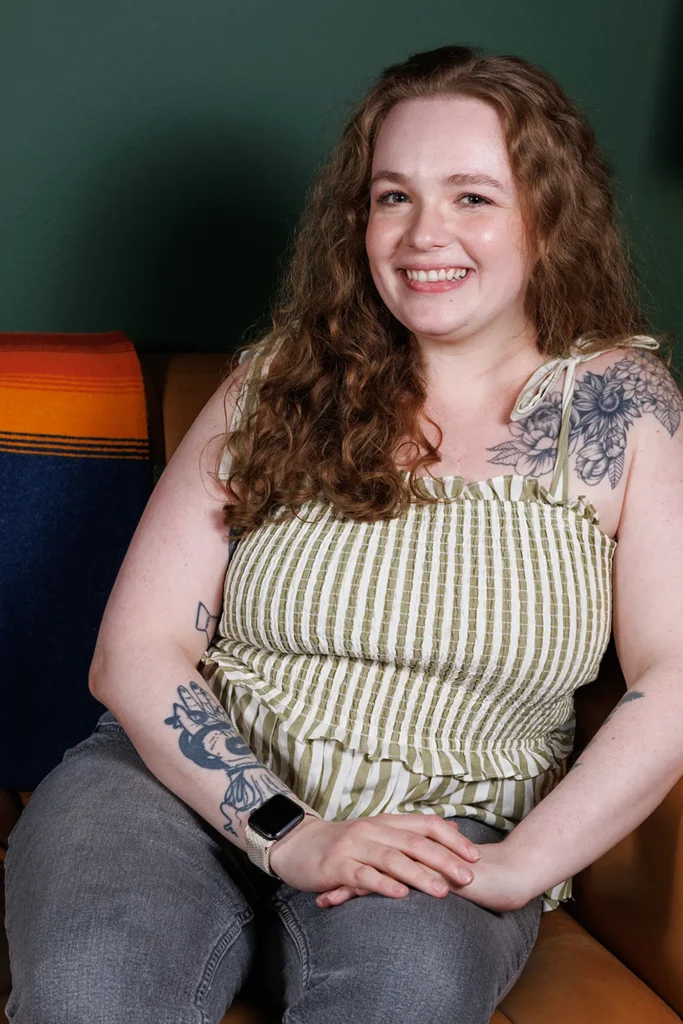
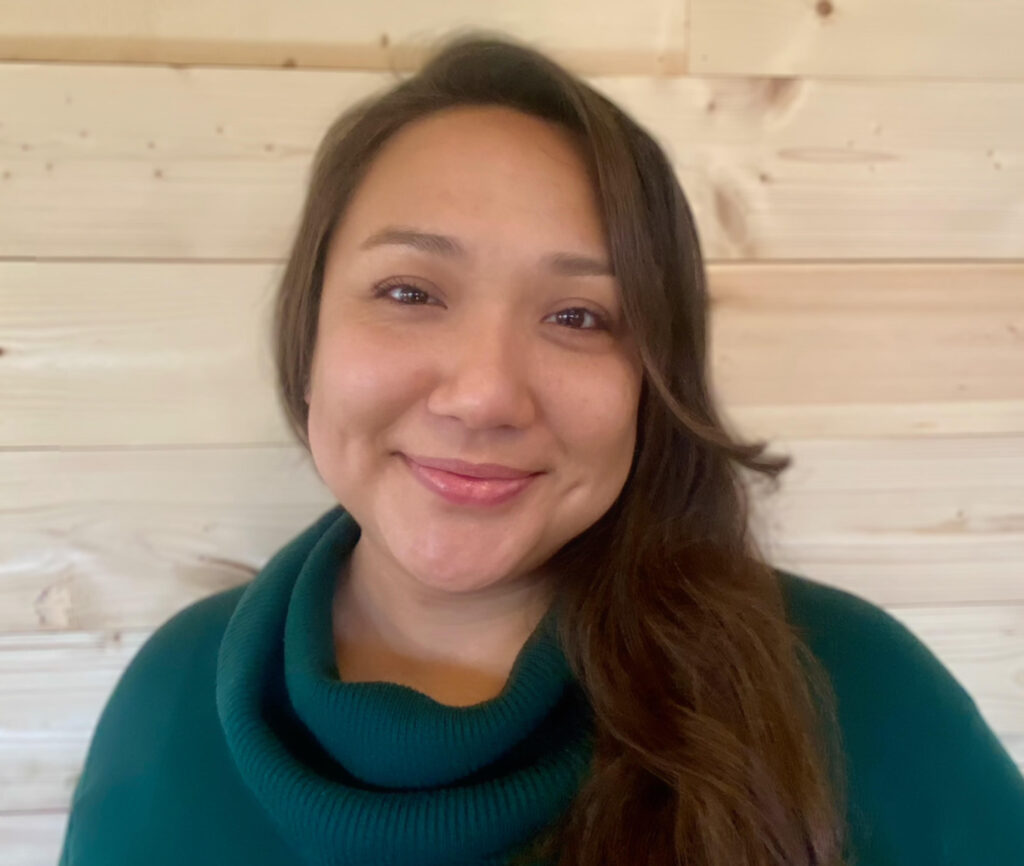
Meet Our Therapists

Laurel Lemohn

Laurel Lemohn

For deep-feelers navigating grief, trauma, relational hurt, or depression who want therapy that combines the body, the mind, and the breath.

icon
Kellie Mann

Kellie Mann

For queer, Black, or rural clients who want real connection, not performance, and therapy that makes room for all your trauma and all your truth.

icon
Savannah Delgado

Savannah Delgado

For anyone carrying trauma through generational wounds, hispanic/native identities, or chronic illness who needs therapy that honors all of who they are.

icon
Lujane Helwani

Lujane Helwani

For people unlearning people-pleasing, healing from power dynamics, navigating Muslim faith, and looking for a therapist who gets it because she’s lived it.

icon
Tianna Vanderwey

Tianna Vanderwey

For adults ready to process trauma, rebuild safety, and find empowerment—therapy that supports your journey with compassion and evidence-based care.

icon
Van Phan

Van Phan

For first-gen, neurodivergent, or queer folks trying to feel less alone in their story and more at home in themselves.

icon
Andrielle Vialpando Kristinat

Andrielle Vialpando Kristinat

For queer, neurodivergent, or Latinx young adults grieving, striving, or trying to find themselves—who need therapy that’s honest, grounded, and real.

icon
Caroline Colombo

Caroline Colombo

For LGBTQ+ and neurodivergent individuals seeking affirming support—therapy that understands your unique experiences and helps you navigate relationships and anxiety.

icon

Alicia Bindenagel

For adults ready to move through trauma, anxiety, or life transitions—therapy grounded in EMDR, CBT, and real-world healing.

icon

Alizea Pardo

For kids, teens, and young adults learning to regulate emotions, navigate change, or manage ADHD—therapy that brings mindfulness, curiosity, and care.

icon