
By Intentional Spaces Psychotherapy
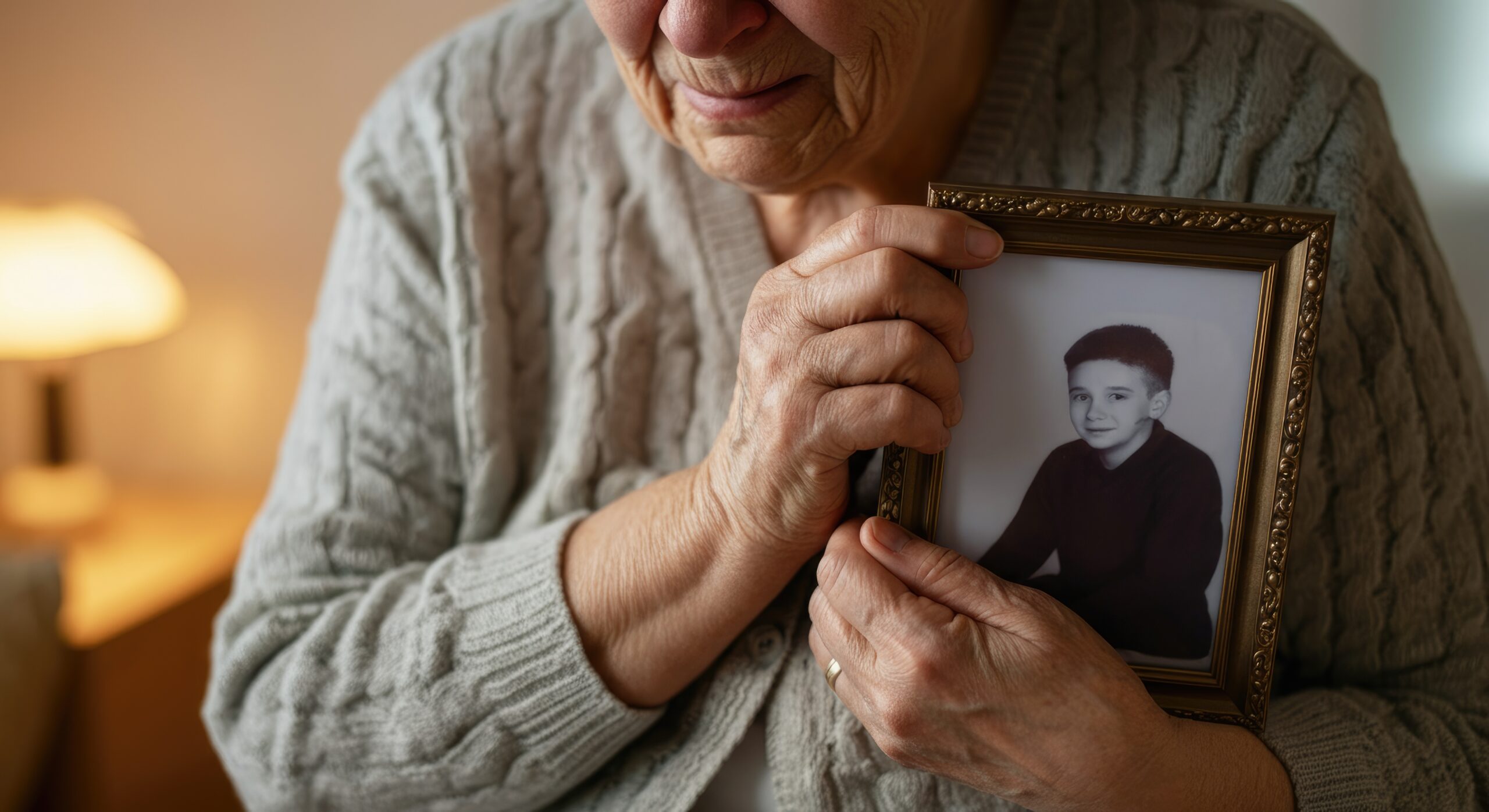
Caregiving often involves much more than physical or practical support. It can also carry a deep emotional weight that develops gradually over time. Many caregivers experience grief long before a loss officially occurs. Watching someone’s health decline, personality change, or independence fade can create a quiet and ongoing sense of mourning that is difficult to explain to others.
This experience is often referred to as anticipatory grief. Unlike grief that follows a death or major loss, anticipatory grief happens while the person is still physically present. Caregivers may grieve changes in the relationship, changes in daily life, or the gradual loss of the future they once imagined. These emotions can feel confusing because love, responsibility, hope, exhaustion, and sadness often exist at the same time.
Understanding anticipatory grief can help caregivers feel less alone in their emotional experience. These reactions are not signs of weakness or lack of gratitude. They are understandable responses to prolonged stress, uncertainty, and emotional loss.
What Is Anticipatory Grief?
Anticipatory grief refers to the emotional pain and mourning that can occur before an expected loss. It is common among caregivers supporting loved ones with chronic illness, dementia, terminal conditions, or significant physical decline.
Unlike traditional grief, anticipatory grief often unfolds slowly. There may not be one specific moment of loss. Instead, caregivers may experience repeated moments of sadness as they witness changes in the person they care for and in their own life circumstances.
This type of grief can feel emotionally complicated because caregivers are still actively supporting and loving the person while simultaneously grieving what is changing or disappearing.
Common Experiences of Anticipatory Grief
Anticipatory grief often affects emotions, relationships, and daily functioning in subtle but ongoing ways.
You may notice:
- Feeling sadness while still trying to remain hopeful
- Grieving changes in the relationship or the person’s personality
- Feeling emotionally exhausted from prolonged caregiving stress
- Experiencing guilt for mourning someone who is still alive
These emotional experiences are common among caregivers and often reflect the complexity of loving someone through decline or illness.
Why Caregiving Can Feel Emotionally Conflicting
Caregiving frequently involves holding multiple emotions at once. A caregiver may feel deep love and commitment while also feeling overwhelmed, resentful, or emotionally drained. This emotional complexity can create guilt and self-judgment.
Many caregivers believe they should remain constantly patient, grateful, or emotionally strong. When grief, frustration, or sadness arise, they may interpret those feelings as signs they are failing. In reality, emotional conflict is a normal part of prolonged caregiving.
The ongoing stress of caregiving also leaves little room for emotional processing. Many caregivers focus so heavily on practical responsibilities that their own grief remains unacknowledged for long periods of time.
The Emotional Impact of Watching Someone Change
One of the most painful parts of caregiving is witnessing a gradual change in someone you love. This can include physical decline, memory loss, personality changes, or increasing dependence.
Caregivers may experience:
- Sadness over losing aspects of the relationship that once felt familiar
- Loneliness even while spending significant time with the person
- Fear about the future and what lies ahead
- Emotional numbness from ongoing stress and uncertainty
These experiences often create a form of grief that feels ongoing rather than tied to one specific event.
How Anticipatory Grief Affects Mental Health
When anticipatory grief remains unaddressed, it can begin affecting emotional and physical well-being. Chronic stress combined with ongoing grief can overwhelm the nervous system over time.
You may notice:
- Increased anxiety or constant emotional tension
- Difficulty sleeping or emotionally relaxing
- Feeling emotionally detached or shut down
- Irritability, exhaustion, or emotional overwhelm
Because caregiving responsibilities are often continuous, caregivers may not feel they have permission to pause and acknowledge their own emotional needs.
Allowing Space for Grief
One of the most important aspects of coping with anticipatory grief is allowing yourself to recognize that grief is already present. Caregivers often minimize their emotions because they feel they need to stay focused on helping others.
But acknowledging grief does not mean giving up hope or caring less. It means allowing yourself to respond honestly to difficult circumstances. Naming sadness, exhaustion, or fear can reduce emotional isolation and create space for self-compassion.
Even small moments of emotional support, rest, or reflection can help caregivers feel more connected to themselves during prolonged periods of stress.

The Role of Therapy and Support
Therapy can provide caregivers with a space to process emotions that may feel difficult to express elsewhere. Many caregivers spend so much time caring for others that their own emotional experiences become secondary.
A therapist can help caregivers navigate anticipatory grief, emotional exhaustion, guilt, and chronic stress without judgment. Support groups can also reduce isolation by connecting caregivers with others who understand the emotional realities of caregiving firsthand.
Seeking support is not selfish. Caregivers also deserve care, compassion, and emotional support while navigating difficult circumstances.
A Gentle Closing Thought
Caregiving often involves grieving in quiet and ongoing ways that others may not fully see. Loving someone through illness, decline, or uncertainty can create deep emotional exhaustion alongside profound care and connection.
If you are experiencing sadness, overwhelm, or anticipatory grief, it does not mean you are failing as a caregiver. It means you are human and emotionally affected by what you are carrying.
With support, compassion, and space to acknowledge your own emotions, it becomes possible to navigate caregiving with greater emotional understanding and less isolation.