By Intentional Spaces Psychotherapy
For many people, appearance becomes connected to far more than physical looks. It begins to influence confidence, self-esteem, relationships, and even the sense of being worthy or accepted. A good appearance day may create temporary confidence, while a perceived flaw or moment of comparison can quickly lead to insecurity, shame, or self-criticism.
When self-worth becomes tied to appearance, it can feel as though value depends on how attractive, thin, fit, polished, or “acceptable” you appear to others. This connection often develops gradually through social experiences, cultural messaging, and emotional conditioning. Over time, appearance may begin to feel like evidence of whether you are enough.
Understanding why this happens can help reduce self-judgment. These patterns do not develop randomly. They are often shaped by environments that place strong emphasis on external image and validation.
How Appearance Becomes Linked to Self-Worth
From a young age, many people receive messages about the importance of appearance. Compliments may focus heavily on looks, weight, or attractiveness, while media and social environments reinforce narrow standards of beauty and success.
Over time, the brain begins to associate appearance with acceptance, approval, and belonging. Positive attention may feel tied to looking a certain way, while criticism or comparison can create insecurity and self-doubt.
Eventually, appearance stops feeling like just one aspect of identity and begins to feel like a measure of overall worth. This can create a constant internal pressure to maintain or improve how you look.
Common Signs Self-Worth Is Tied to Appearance
When body image and self-worth become closely linked, emotional well-being often fluctuates with physical appearance or perceived attractiveness.
You may notice:
- Feeling more confident only when you like how you look
- Comparing your appearance to others frequently
- Avoiding social situations when feeling insecure about your body
- Believing your value decreases when you do not meet certain standards
These experiences can make self-esteem feel unstable and heavily dependent on external factors.
The Role of Social Comparison
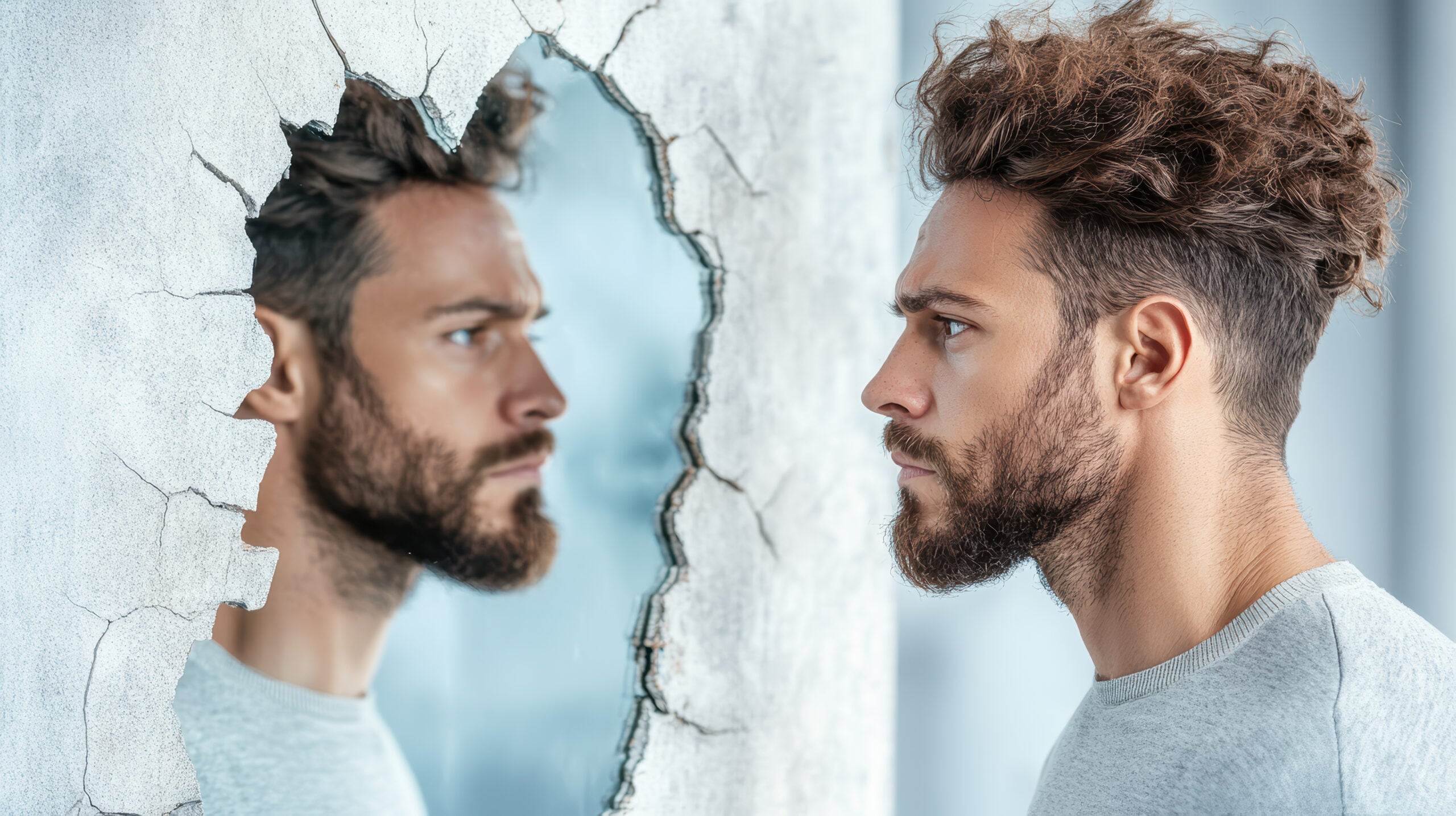
Comparison plays a major role in body image struggles. Social media, advertising, and cultural expectations create constant opportunities to evaluate yourself against others. Even when you logically understand that many images are curated or unrealistic, the emotional impact can still feel powerful.
Comparison often shifts attention away from internal qualities and toward external evaluation. Instead of asking how you feel, the focus becomes how you appear. This creates a cycle where self-worth is continuously measured against changing standards that are often impossible to maintain.
Over time, comparison can make it difficult to feel satisfied or secure, even when receiving compliments or reassurance from others.
Emotional Consequences of Appearance-Based Self-Worth
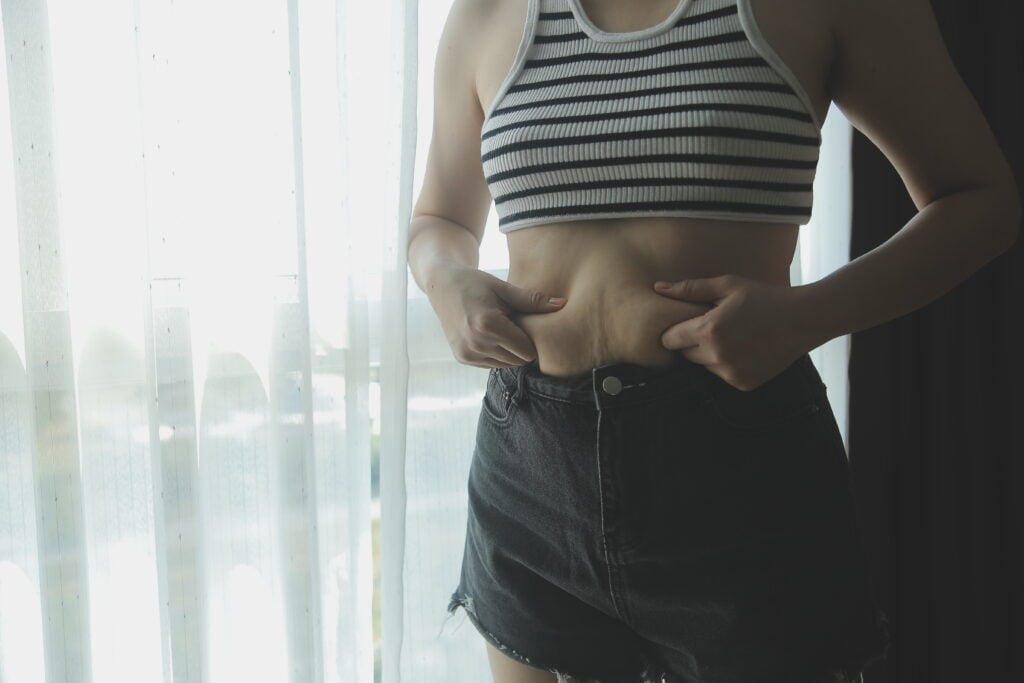
When appearance becomes closely tied to identity, emotional well-being can feel fragile. Small changes in appearance, weight, skin, or aging may trigger disproportionately strong emotional reactions.
You may experience:
- Anxiety about how others perceive you
- Shame or self-criticism related to physical appearance
- Difficulty feeling “good enough” despite reassurance
- Emotional highs and lows based on body image
These patterns can create ongoing emotional exhaustion and make confidence feel conditional rather than stable.
How This Impacts Relationships and Daily Life
Body image struggles do not stay limited to appearance alone. They often affect relationships, social experiences, and overall quality of life.
You may notice:
- Difficulty accepting compliments or positive feedback
- Avoiding intimacy or vulnerability due to body insecurity
- Constantly thinking about how you look in social situations
- Feeling distracted or preoccupied with appearance throughout the day
Over time, this focus on appearance can reduce emotional presence and make everyday experiences feel more stressful or self-conscious.
Building Self-Worth Beyond Appearance
Shifting these patterns does not mean suddenly loving every aspect of your appearance all the time. It means gradually building a sense of identity and value that is not entirely dependent on how you look.
This often begins by recognizing the ways appearance has become tied to worth and questioning those beliefs with compassion rather than criticism. It may also involve focusing more intentionally on qualities unrelated to appearance, such as creativity, kindness, resilience, humor, connection, or emotional depth.
Building self-worth beyond appearance is usually a gradual process. It involves creating a relationship with yourself that feels more stable, flexible, and internally grounded.
The Role of Therapy and Support
Therapy can provide a supportive space to explore body image struggles and the deeper experiences connected to them. Often, appearance-related insecurity is tied to self-esteem, perfectionism, comparison, or past emotional experiences.
A therapist can help identify patterns of self-criticism, challenge appearance-based beliefs, and build healthier ways of relating to yourself. Therapy may also support emotional regulation around shame, anxiety, or comparison.
Healing body image is not about becoming indifferent to appearance. It is about reducing the emotional power that appearance holds over your sense of worth.
A Gentle Closing Thought
Your appearance is only one small part of who you are, even if the world sometimes suggests otherwise. Self-worth that depends entirely on appearance often feels unstable because appearance itself naturally changes over time.
You are allowed to exist without constantly evaluating or proving your value through how you look. Confidence and worth do not need to be earned through perfection.
With awareness, support, and self-compassion, it becomes possible to build a relationship with yourself that feels less rooted in comparison and more grounded in acceptance and emotional stability.