
By Intentional Spaces Psychotherapy
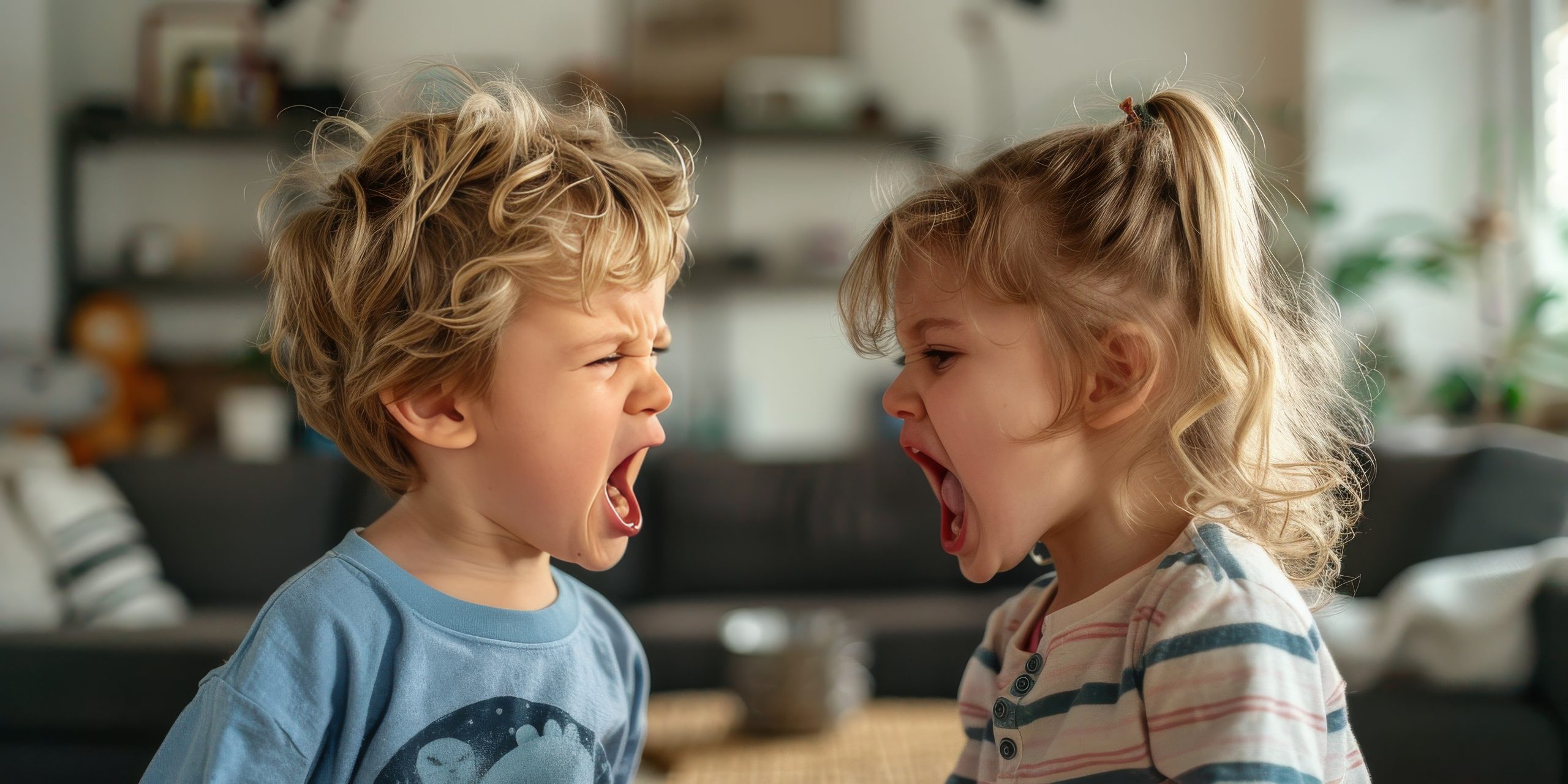
Parents, teachers, and caregivers may sometimes feel that children today are angrier, more disrespectful, or more aggressive than previous generations. Videos of school fights can spread across social media within minutes, stories involving youth violence receive widespread attention, and parents hear about incidents that might once have remained within a single classroom or neighborhood.
At the same time, children today are growing up in a very different environment. Smartphones, social media, constant online communication, cyberbullying, academic pressure, peer influence, and exposure to distressing or violent content can all affect how children understand and respond to the world around them.
Instead of assuming that today’s generation is simply becoming more violent, it is helpful to look at the emotional, social, and environmental factors behind children’s behavior. Parents may want to consider:
- Whether their child is struggling to manage anger, frustration, or disappointment.
- Whether bullying, peer pressure, or conflict is happening at school.
- What types of content their child regularly encounters online.
- Whether aggressive behavior is occasional or becoming a repeated pattern.
Understanding what is happening beneath the behavior can help parents respond in ways that promote both accountability and emotional growth.
Understanding Aggressive Behavior in Children Today
Aggression can appear in many forms. Some children hit, kick, push, yell, threaten, or destroy property when they become upset. Others may express aggression socially by humiliating, excluding, intimidating, or bullying another child.
It is also important to distinguish anger from aggression. Anger is a normal human emotion. Children are allowed to feel angry, disappointed, jealous, frustrated, or hurt. Aggression refers to how those feelings are expressed when behavior becomes harmful.
Children rarely become aggressive for one simple reason. Temperament, emotional development, family relationships, school experiences, friendships, stress, trauma, learning difficulties, and other factors can influence their behavior.
Parents can maintain clear boundaries while remaining curious about what may be driving the behavior. Instead of asking only, “How do I make this stop?” it may also be useful to ask, “What is my child struggling to communicate or manage?”
How Social Media and Online Content Can Influence Behavior
Children today have access to an enormous amount of content that previous generations did not encounter so easily. Violent videos, online arguments, bullying, aggressive influencers, disturbing news, and videos of real fights can appear on a child’s screen within seconds.
Social media can also change the way aggression is experienced. A school fight that once ended when everyone went home can now be recorded, posted, replayed, commented on, and shared repeatedly.
Children may encounter:
- Videos that make fighting or humiliation look entertaining.
- Online communities that encourage aggressive or disrespectful behavior.
- Cyberbullying that continues outside school hours.
- Social pressure to appear tough or respond aggressively to avoid embarrassment.
This does not mean social media automatically causes violent behavior. However, parents can benefit from knowing what their children are watching and discussing how online behavior affects real people.
Emotional Regulation and the Behavior Behind Anger
Children are not born knowing how to manage intense emotions. Emotional regulation develops gradually through relationships, experience, guidance, and practice.
When children do not yet have effective ways to communicate frustration, embarrassment, fear, rejection, or disappointment, those feelings may sometimes appear as aggression. A child may hit because they cannot express what they need, while a teenager may become confrontational because they feel humiliated or threatened.
Teaching emotional regulation means helping children recognize what is happening before their emotions become overwhelming. Parents can encourage children to identify feelings, notice physical signs of anger, pause before reacting, step away from conflict, and communicate their needs in words.
Children also learn from watching adults. When parents demonstrate respectful disagreement, apologize after losing their temper, and handle frustration without intimidation, they provide a powerful example of healthy emotional regulation.
The Role of Family, School, Bullying, and Peer Pressure
A child’s behavior does not develop in isolation. What happens at home, at school, and within friendships can significantly influence how they respond to conflict.
Children who regularly witness yelling, threats, intimidation, or violence may begin to see aggression as a normal way of solving problems. At school, bullying and peer pressure can also influence behavior. Some children become aggressive because they are being targeted themselves, while others may fight because they believe it will help them gain acceptance or avoid appearing weak.
Parents should pay attention when a child’s behavior changes suddenly. A previously calm child who begins fighting, withdrawing, struggling academically, or becoming unusually angry may be dealing with something they have not explained.
Open conversations can help uncover what is happening. Asking about friendships, school experiences, online interactions, and emotional stress can provide more useful information than immediately assuming the child is simply being difficult.
When Aggressive Behavior May Require Professional Support
Occasional anger or conflict does not necessarily mean a child has a serious behavioral problem. Children make mistakes, test boundaries, and sometimes respond impulsively while developing emotional skills.
However, repeated or escalating aggression deserves attention. Parents may want to seek professional support when a child’s behavior frequently causes harm, disrupts school or family life, damages relationships, or seems increasingly difficult for the child to control.
A child or adolescent therapist can help identify factors contributing to the behavior and teach healthier skills for emotional regulation, communication, problem-solving, and anger management. Family therapy or parent-focused support may also help families develop more consistent ways of responding to challenging behavior.
Behavior involving credible threats of serious harm, weapons, severe violence, or immediate danger to the child or another person requires prompt safety-focused intervention.
A Gentle Closing Thought
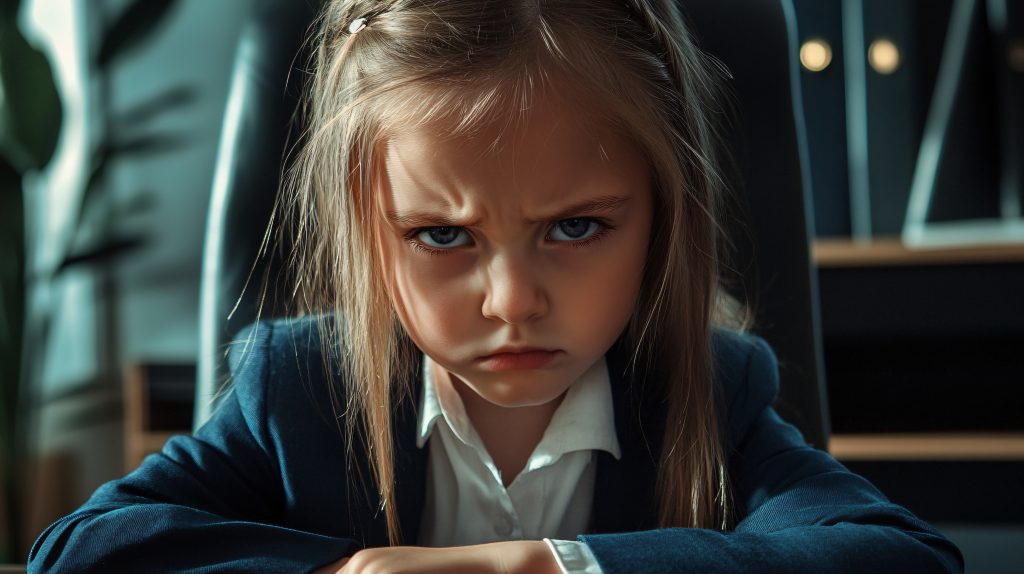
It can be easy to look at social media, school incidents, or news stories and conclude that today’s children are becoming more aggressive. But an entire generation cannot be understood through its most concerning behaviors.
Children are growing up in a complicated environment filled with pressures and influences that previous generations experienced differently. They still need what children have always needed: guidance, boundaries, emotional safety, positive role models, meaningful relationships, and adults willing to listen.
Aggressive behavior should be taken seriously, but children should not be defined by their worst moments. By combining clear limits with curiosity, emotional education, and appropriate professional support when needed, adults can help children learn that anger is normal, but hurting others is not.
The goal is to raise children who can manage difficult emotions, communicate their needs, resolve conflicts respectfully, and understand that strength does not require violence.