
By Intentional Spaces Psychotherapy
When people hear the word “burnout,” they often think of exhausted adults struggling with demanding jobs or overwhelming responsibilities. However, children can experience burnout too. Between academic expectations, extracurricular activities, friendships, family responsibilities, and the emotional challenges of growing up, many school-aged children carry far more stress than adults realize.
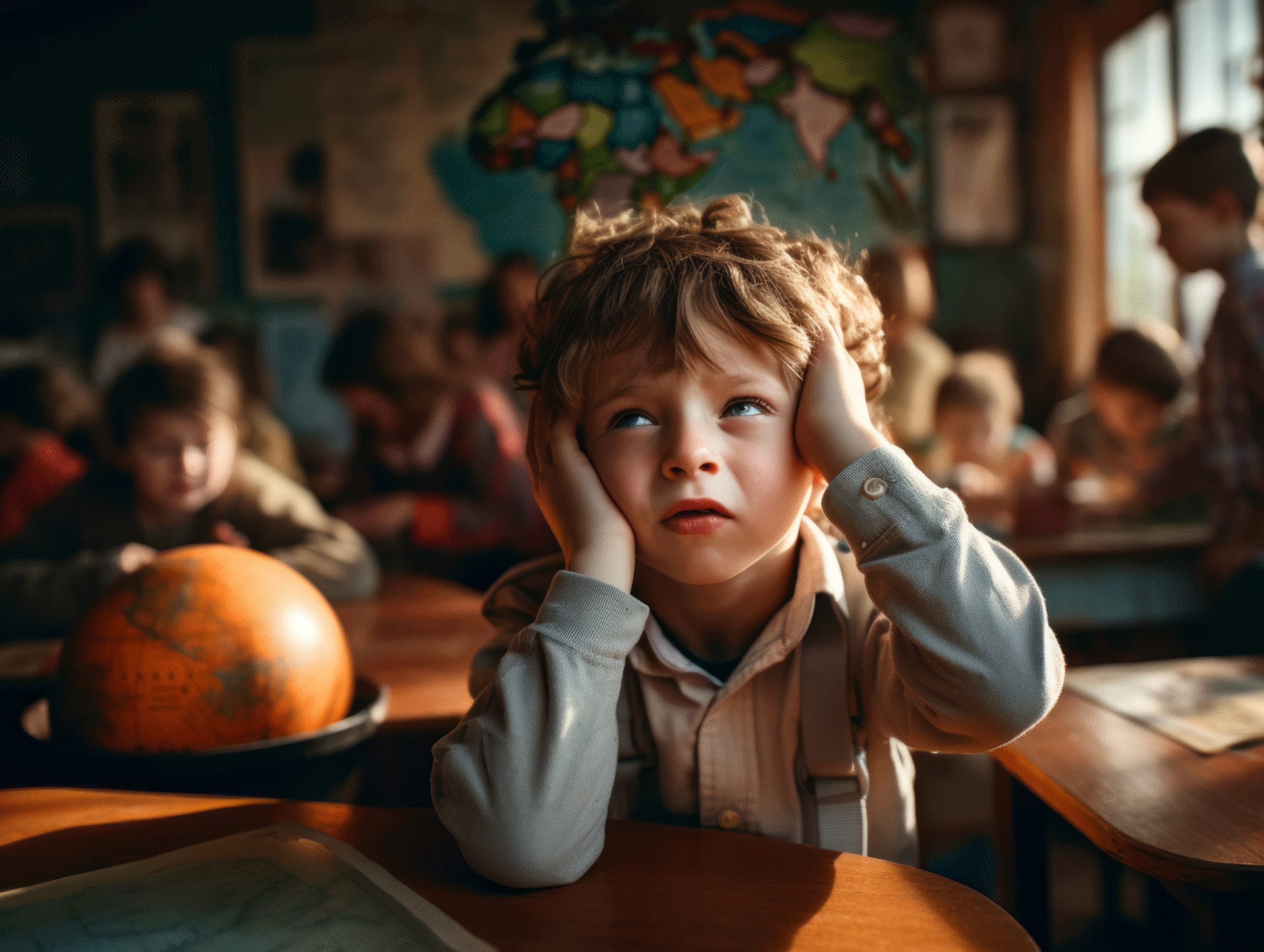
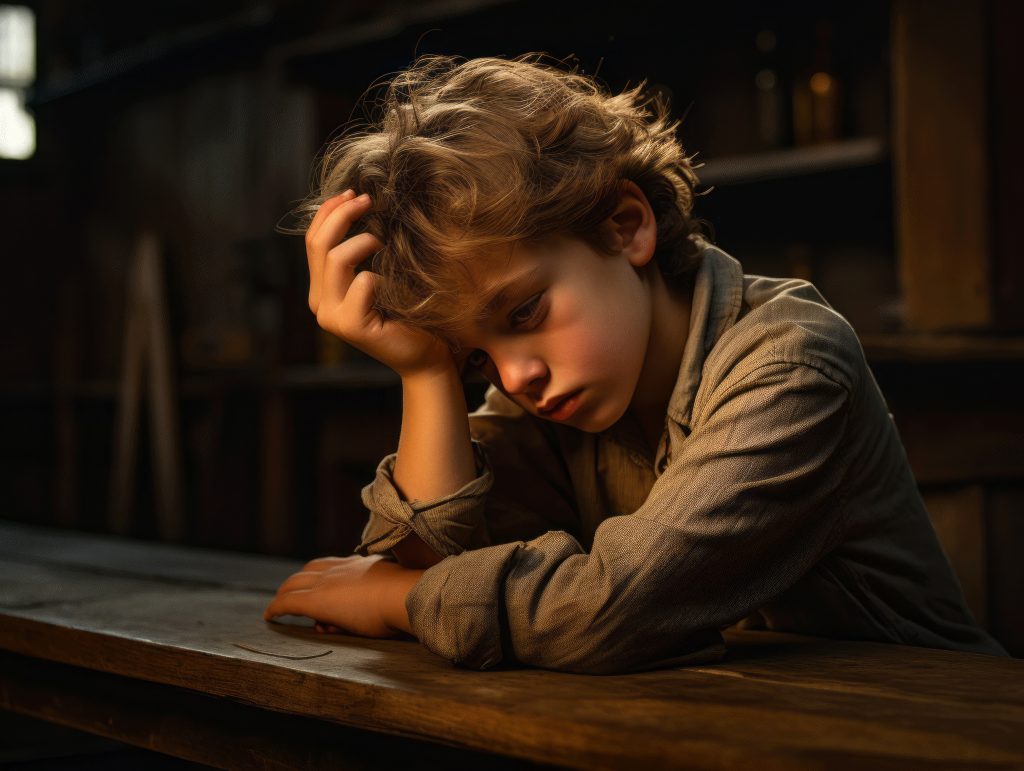
Unlike adults, children may not have the language to explain that they feel emotionally overwhelmed. Instead, their distress often manifests as behavioral changes. A child who once enjoyed school may suddenly refuse to attend, become irritable, lose interest in favorite activities, complain of physical symptoms, or seem emotionally withdrawn. These changes are sometimes misunderstood as laziness, defiance, or a lack of motivation when they may actually be signs of emotional burnout.
Understanding emotional burnout in children allows parents and caregivers to respond with curiosity and compassion rather than frustration. Recognizing the signs early can help children feel supported before stress begins affecting their emotional health, relationships, and overall well-being.
What Is Emotional Burnout in Children?
Emotional burnout occurs when a child experiences prolonged stress without enough opportunities to recover emotionally and physically. Instead of feeling challenged in healthy ways, the child begins to feel emotionally exhausted, overwhelmed, and unable to keep up with ongoing demands.
Burnout can develop gradually over weeks or months. It is often the result of multiple stressors occurring at the same time rather than one single event. Academic pressure, social difficulties, perfectionism, family changes, lack of downtime, or ongoing anxiety can all contribute to emotional exhaustion.
Just as adults need periods of rest and recovery, children also need opportunities to play, relax, connect with supportive adults, and simply be kids.
Signs of Emotional Burnout in School-Aged Children
Burnout does not always look the same in every child. Some children become quiet and withdrawn, while others become more emotional or reactive.
You may notice:
- Increased resistance or refusal to go to school.
- Frequent complaints of headaches, stomachaches, or feeling sick before school.
- Irritability, emotional outbursts, or crying more often than usual.
- Loss of interest in hobbies, friendships, or activities they previously enjoyed.
These behaviors are often signals that a child may be emotionally overwhelmed rather than intentionally misbehaving.
What Can Cause Emotional Burnout?
Many factors can contribute to burnout in children. Academic expectations, homework, tests, extracurricular activities, social pressures, bullying, family conflict, learning differences, or major life transitions can all increase emotional stress.
Some children are also naturally more sensitive or perfectionistic, which can cause them to place enormous pressure on themselves to succeed. Others may struggle silently because they worry about disappointing parents, teachers, or peers.
When stress continues without sufficient opportunities for emotional recovery, burnout becomes more likely.
How Burnout Can Affect a Child's Daily Life
Emotional burnout often extends beyond school performance. It can affect nearly every part of a child’s emotional and physical well-being.
You may notice:
- Difficulty concentrating or remembering information.
- Increased anxiety about school or everyday responsibilities.
- Trouble sleeping or changes in appetite.
- Lower confidence and frequent negative self-talk.
Over time, these challenges can make everyday tasks feel increasingly difficult, even for children who were previously thriving.
Why Some Children Refuse to Go to School
School refusal is sometimes one of the clearest signs that a child feels emotionally overwhelmed. While many people assume children refuse school because they dislike learning or want to stay home, emotional burnout often tells a different story.
A child experiencing burnout may:
- Feel emotionally exhausted before the school day even begins.
- Worry that they cannot meet academic or social expectations.
- Feel physically unwell because chronic stress is affecting their body.
- Believe staying home is the only way to escape overwhelming emotional pressure.
Understanding the emotional reasons behind school refusal allows parents to address the root cause rather than focusing only on attendance.
Supporting a Child Through Emotional Burnout
Helping a child recover from burnout begins with slowing down and creating emotional safety. Children benefit from knowing that they can talk openly about their feelings without fear of criticism or disappointment.
Parents can support recovery by listening with curiosity, validating emotions, maintaining predictable routines, encouraging healthy sleep habits, balancing responsibilities with downtime, and helping children develop realistic expectations for themselves.
Recovery also involves recognizing that rest is productive. Play, creativity, movement, and meaningful family connection all help restore emotional energy and resilience.
When to Seek Professional Support
If emotional burnout continues for several weeks, significantly interferes with school attendance, or begins affecting your child’s emotional well-being, it may be helpful to seek professional support.
A child therapist can help identify the sources of stress, teach coping skills, strengthen emotional regulation, and help children express feelings they may not yet have words for. Therapy can also support parents in developing strategies that promote resilience while reducing unnecessary pressure.
In some situations, collaboration with teachers, school counselors, pediatricians, or other professionals can help create a supportive plan that addresses both emotional well-being and academic success.
A Gentle Closing Thought
Children are remarkably resilient, but they are not immune to chronic stress. When emotional demands consistently exceed a child’s ability to cope, burnout can develop in ways that are easy to overlook.
If your child suddenly seems withdrawn, overwhelmed, or reluctant to attend school, try to look beyond the behavior itself. Often, difficult behaviors are communicating difficult feelings.
With patience, compassion, healthy routines, and the right support, children can recover from emotional burnout, rebuild their confidence, and rediscover a sense of joy, curiosity, and emotional balance both in school and in everyday life.