
By Intentional Spaces Psychotherapy
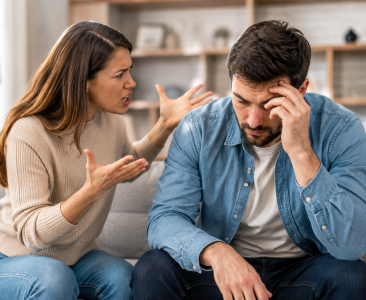
Disagreements are a normal part of every relationship. Even loving, healthy couples have different opinions, frustrations, and moments of conflict. However, there is an important difference between healthy conflict and domestic violence. While conflict is a natural part of navigating life together, abuse is a pattern of behavior used to gain power and control over another person.
Many people struggle to recognize this distinction, especially when abusive behaviors develop gradually. Emotional manipulation, intimidation, controlling behaviors, and verbal abuse may be dismissed as “just arguments” or blamed on stress, financial pressure, or the challenges of adjusting to married life. Over time, this confusion can make it difficult for someone to recognize that what they are experiencing is not healthy conflict but an abusive relationship.
Understanding the difference between healthy conflict and domestic violence can help people recognize unhealthy relationship patterns, strengthen awareness of healthy relationship dynamics, and seek appropriate support when safety becomes a concern.
What Healthy Conflict Looks Like
Conflict itself is not harmful. In healthy relationships, disagreements happen because two people have different experiences, perspectives, or needs. What matters most is how those disagreements are handled.
Healthy conflict involves mutual respect, emotional safety, and a willingness to listen and work toward understanding. Both partners are able to express their thoughts without fear of intimidation or retaliation.
Even when conversations become emotional, each person’s dignity, boundaries, and safety continue to be respected.
Signs of Healthy Relationship Conflict
Healthy disagreements may feel uncomfortable, but they do not create fear or ongoing harm.
You may notice:
- Both partners are able to express their opinions without intimidation.
- Each person takes responsibility for their own actions and is willing to apologize when appropriate.
- Disagreements focus on solving the problem rather than attacking the other person.
- Both individuals feel emotionally and physically safe before, during, and after the conflict.
These behaviors help build trust and strengthen the relationship, even when disagreements occur.
What Domestic Violence Really Is
Domestic violence is not simply frequent arguing or poor communication. It is a pattern of behaviors intended to establish power and control over another person. Abuse may be physical, emotional, psychological, sexual, financial, or involve coercive control.
Someone using abusive behaviors may attempt to isolate their partner, monitor their activities, control finances, threaten consequences, humiliate them, or create an environment where the other person feels fearful or unable to make independent choices.
Domestic violence is never caused by stress, anger, alcohol, or relationship problems alone. Responsibility for abusive behavior always belongs to the person choosing to use it.
Warning Signs That a Relationship May Be Abusive
Abuse often develops gradually, making it difficult to recognize in the beginning.
Possible warning signs include:
- Feeling afraid of how your partner will react if you disagree with them.
- Being regularly insulted, humiliated, threatened, or blamed.
- Having your relationships, finances, daily activities, or communication controlled.
- Feeling like you must constantly “walk on eggshells” to avoid upsetting your partner.
If these patterns are present, the relationship may involve abuse rather than normal relationship conflict.
How Abuse Affects Emotional Well-Being
Living in an abusive relationship can have profound effects on emotional and mental health. Many survivors begin questioning their own perceptions, losing confidence, or believing they are responsible for the abuse.
You may experience:
- Anxiety, depression, or persistent fear.
- Difficulty trusting your own thoughts or decisions.
- Emotional exhaustion from constantly trying to avoid conflict.
- Feeling isolated, hopeless, or disconnected from people who care about you.
These responses are common among individuals experiencing ongoing abuse and reflect the impact of living in an unsafe environment.
Why It Can Be Difficult to Recognize Abuse
Many people ask themselves whether they are “overreacting” or wonder if every relationship is this difficult. This uncertainty is especially common when abusive behavior is mixed with periods of kindness, affection, or apologies.
Some abusive relationships follow a repeating cycle in which tension builds, abuse occurs, and is followed by promises to change or expressions of remorse. These temporary periods of calm can make it difficult to identify the overall pattern of control.
Recognizing abuse often takes time, and uncertainty does not mean your concerns are invalid. Feeling consistently afraid, controlled, or emotionally unsafe deserves attention.
Healthy Relationships Are Built on Safety
Healthy relationships allow both partners to maintain their individuality while supporting one another. Respect, honesty, trust, empathy, and accountability are central to healthy communication.
In safe relationships, disagreements do not require one person to surrender their voice, independence, or sense of security. Both partners can express concerns, establish boundaries, and make decisions without fear of punishment or intimidation.
Feeling safe, emotionally, physically, and psychologically, is one of the clearest indicators of a healthy relationship.

The Role of Therapy and Professional Support
If you are questioning whether your relationship is healthy or abusive, speaking with a licensed mental health professional can provide clarity and support. A therapist can help you understand relationship dynamics, recognize patterns of control, and explore your experiences in a confidential, nonjudgmental environment.
For individuals experiencing domestic violence, trauma-informed therapy can support emotional healing, rebuild self-esteem, and address the effects of abuse. Therapy can also help survivors reconnect with their strengths and make informed decisions about their safety and well-being.
If there is ongoing abuse or immediate safety concerns, your physical safety should be the priority. Reaching out to trusted individuals, local domestic violence organizations, or emergency services may be important steps when it is safe to do so.
A Gentle Closing Thought
Every relationship experiences conflict from time to time. Healthy conflict can strengthen a relationship when it is handled with respect, empathy, and a shared commitment to resolving problems together.
Domestic violence is fundamentally different. Abuse is not about disagreement; it is about power, control, and creating fear. No one deserves to live in a relationship where they feel intimidated, manipulated, or unsafe.
If you recognize yourself in the warning signs described here, know that you are not alone. Support is available, healing is possible, and everyone deserves a relationship built on respect, safety, and genuine care.