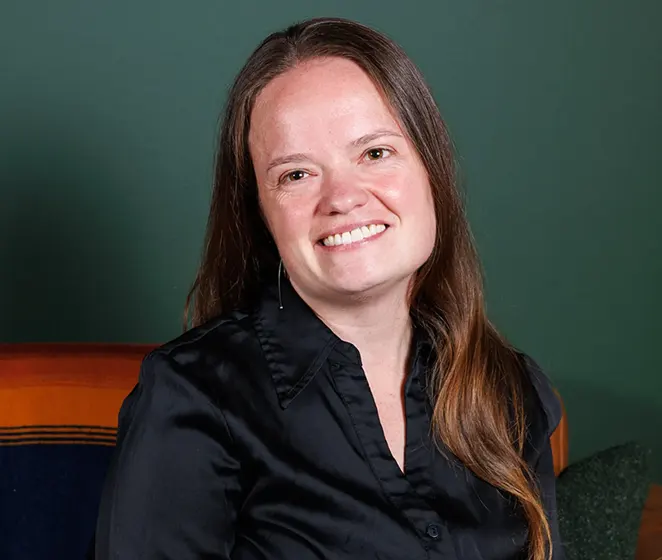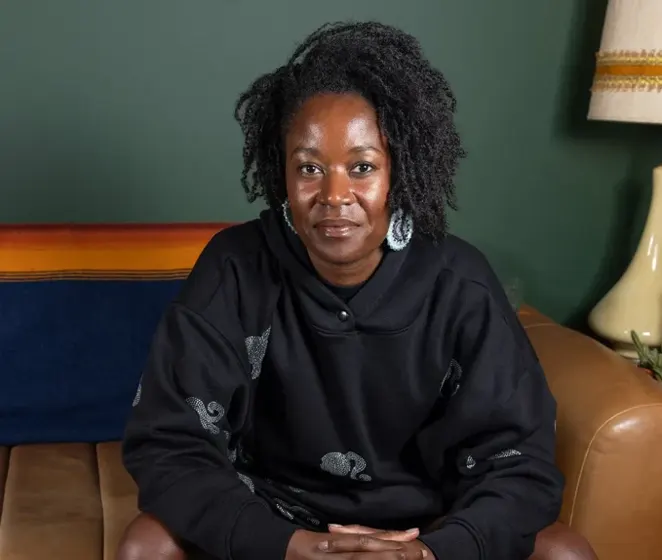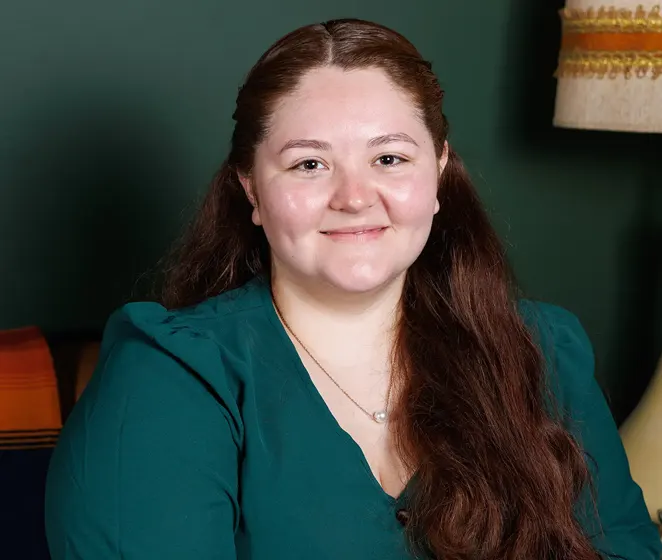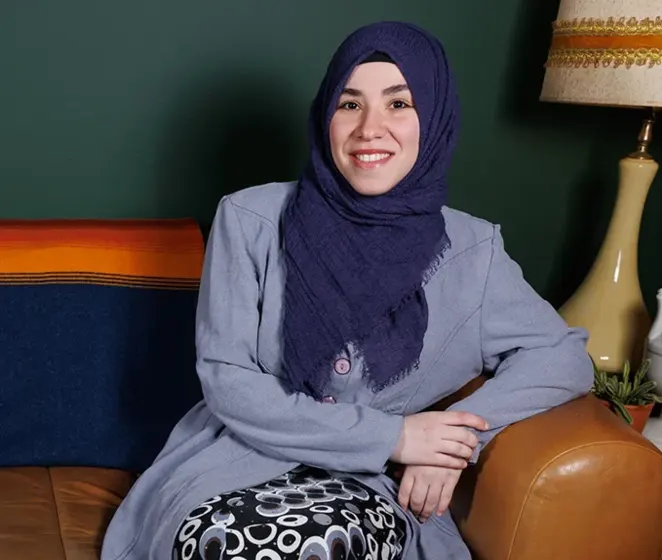

Laura Khoudari is a trauma-informed wellness practitioner, author, and speaker who empowers individuals through personal strength training and embodied healing. She is the author of the memoir Lifting Heavy Things: Healing Trauma One Rep at a Time, which reimagines strength training as a path to resilience, and her innovative approaches have impacted hundreds of clients and readers. Laura’s work draws deeply from her lived experience as a queer woman and her dedication to inclusive, feminist, and body-positive spaces, weaving together narrative, movement, and clinical insight to foster holistic healing.



Here’s a glimpse of what you’ll learn:
- [01:38] Laura Khoudari explains how trauma-informed strength training was born from necessity
- [04:59] Redefining strength as meeting your own unique thresholds
- [06:43] Why loving what you do is an act of strength
- [08:51] How trauma-informed writing prioritizes reader safety and pacing
- [13:18] Ways to set boundaries when sharing your personal story
- [16:01] Practical ways to sense and honor your body’s boundaries
- [19:40] Reclaiming agency and self-trust as the first step of trauma recovery
- [21:37] How movement goals transform when rooted in self-love
- [26:01] How intersectionality and inclusivity shape trauma-informed coaching spaces
- [33:30] Laura’s tips for overcoming “I can’t” by identifying true barriers
In this episode…
What does it really mean to be strong? For many, strength evokes images of muscle, grit, and pushing through pain. But what if strength is something quieter — something that invites us to listen, rest, and rebuild trust with ourselves? What if healing from trauma begins not in the mind, but in the body?
For Laura Khoudari, a trauma-informed wellness author and speaker, true strength is born from awareness and gentleness rather than force. Drawing from her experience as a personal trainer and author, she explains that strength isn’t about how much weight you lift but how you show up for yourself. It’s the act of recognizing your limits and honoring them, even as you work to expand them. Laura’s approach bridges movement and narrative, helping people reconnect with their bodies after trauma and rediscover agency in the process. Her work reminds us that healing and empowerment often happen in small, deliberate acts of self-love.
In this episode of With Intention, Liz Frost is joined by Laura Khoudari to discuss how embodied movement and storytelling can transform trauma recovery. They explore how redefining strength allows us to meet our bodies with compassion, why writing can be a powerful somatic practice, and how honoring boundaries supports true empowerment. Laura also shares insights on integrating feminist and queer perspectives into healing work and movement.
Resources Mentioned in this episode:
- Liz Frost on LinkedIn
- Intentional Spaces Psychotherapy
- Laura Khoudari: Website | Newsletter | LinkedIn
- Lifting Heavy Things: Healing Trauma One Rep at a Time by Laura Khoudari
- The Body Keeps the Score: Brain, Mind, and Body in the Healing of Trauma by Bessel van der Kolk, M.D.
- Trauma and Recovery: The Aftermath of Violence—From Domestic Abuse to Political Terror by Judith Herman, M.D.
- Trauma Informed Weightlifting
- Hope Ignited Training
- Trauma Sensitive Yoga (TCTSY)
Quotable Moments:
- “Is that heavy for you? And you’re using it. That’s strength.”
- “I can be generous and vulnerable because I know what my no is, and I.”
- “Nothing feels worse than acting, acting outside of alignment with our values. Like, I know it feels so terrible to me to do that.”
- “You are internalizing it. You are building new neural pathways. It is. And it is. It is literally a part of you.”
- “Your mind is in your body or one unit. So if we’re taking care of, we have to kind of take care of both ends, in my opinion.”
Action Steps:
- Redefine what strength means for you and your clients: Expanding the concept of strength beyond physical capability encourages healing, resilience, and emotional growth.
- Incorporate body awareness into your daily practice: Listening to your body’s cues builds trust and fosters a trauma-informed approach to movement and self-care.
- Honor boundaries as part of your healing process: Knowing and respecting your limits promotes safety, self-compassion, and sustainable personal development.
- Create inclusive spaces for embodied movement: Designing environments that affirm diverse identities supports empowerment and belonging for all participants.
- Engage in gentle, reflective storytelling: Sharing only what feels processed and true helps maintain authenticity and protects both writer and audience from retraumatization.
Sponsor for this episode
This episode is brought to you by Intentional Spaces Psychotherapy.
Founded by Liz Frost, LICSW, Intentional Spaces offers inclusive, trauma-informed virtual care across Washington State, helping individuals, couples, and families navigate life’s complexities.
Whether you’re processing religious trauma, exploring your identity, or seeking support for anxiety or depression, their diverse team of therapists specializes in EMDR, CBT, DBT, and narrative therapy, ensuring personalized support for every client.
Ready to embark on your healing journey? Go to intentionalspaces/contact, and take the first step toward a more intentional life.