
By Intentional Spaces Psychotherapy
There’s a subtle but powerful kind of fatigue that comes from spending years being someone other than yourself. It’s not a tiredness that sleep cures. It’s deeper and more pervasive, showing up as exhaustion, disconnection, or a sense that there’s a quieter, more honest version of you lingering just beneath the surface. That’s often what masking feels like: a long-term habit of hiding your natural ways of being so you can move through the world with less friction or scrutiny.
If you’ve spent much of your life adapting, performing, or avoiding attention because parts of you felt “too much,” “too different,” or “too confusing,” this is for you. Let’s explore what masking is, how it forms, and what it looks like to come home to yourself slowly.
What Masking Really Is
Masking is often a form of survival. It’s the instinct to blend in, to smooth over edges others might not understand, or to hide the parts of yourself that have been misunderstood, criticized, or dismissed. It can feel like holding your breath emotionally, moving through conversations or environments with a sense of monitoring yourself rather than fully inhabiting the moment. People may not realize they are masking because it gradually becomes the “normal” way to move through the world.
Masking can show up in many ways, including:
- Imitating the social behaviours, tone, or expressions of the people around you
- Quieting your emotional responses to avoid being seen as “too sensitive” or “too much”
- Suppressing natural movements, stimming, or fidgeting to seem more controlled
- Hiding sensory discomfort to avoid looking dramatic or difficult
- Rehearsing or scripting interactions so you can appear confident or socially fluent
- Acting like everything is fine, even when your internal world feels chaotic
For many people, these behaviours are not intentional deceptions, they are deeply learned protections. They helped you get through school, work, relationships, and environments where your natural traits were misinterpreted. But over time, these adaptations can begin to feel like a costume that’s grown heavy on the body.
How Masking Develops
Masking often forms in environments where it doesn’t feel safe to be your full self. This might include childhood settings where emotions weren’t welcomed, workplaces that demanded constant performance, or social circles that valued sameness over individuality. You may have received subtle messages, sometimes spoken, sometimes implied, that your way of moving through the world needed altering. And slowly, perhaps without noticing, you learned to “shrink” or shape-shift to match expectations.
This process tends to unfold gradually:
- You learn which parts of you receive praise and which receive correction.
- You sense the moments when your natural reactions create tension or confusion for others.
- You notice that being authentic sometimes leads to discomfort, criticism, or social consequences.
- You adapt, little by little, until the adaptation becomes automatic.
By the time adulthood arrives, many people have been masking for so long that they can no longer tell where the mask ends and their real self begins. The performance becomes familiar, sometimes even praised, and yet deeply disconnected internally.
What It Feels Like When You’ve Been Masking Too Long
Masking can blend into the background so seamlessly that it becomes the default way of existing. But the emotional costs often surface in quieter moments. Many people describe feeling drained after even routine interactions, not because anything particularly stressful happened but because they spent the entire time “performing.” Others describe a sense of detachment from their own wants, needs, and preferences, as if those inner signals have gone quiet after years of being overridden.
There’s often a sense of internal distance when watching yourself act out a role instead of participating in your life with ease. You might feel like relationships stay on the surface because letting people see the full you feels risky. Even simple questions like “How are you?” or “What do you want?” can feel oddly disorienting when you’re used to answering based on what’s expected rather than what’s true.
Why Long-Term Masking Takes a Toll
When masking becomes habitual, it places the body and mind under persistent strain. Your system stays in a heightened mode of vigilance because it’s always monitoring, adjusting, and pre-empting the reactions of others. Over time, this state of ongoing management can begin to erode your emotional well-being.
The effects of long-term masking may include:
- Persistent exhaustion that rest doesn’t seem to resolve
- A sense of emotional numbness or difficulty accessing your inner world
- A feeling of losing touch with your identity or personal preferences
- Frequent overwhelm, irritability, or shutdowns
- Heightened anxiety or difficulty relaxing
- A pattern of disconnecting from relationships to “recover” from social exertion
These are not faults in your character; they are signs your nervous system has been overworking for years. Masking might have been a brilliant survival strategy once, but survival mode isn’t meant to be a permanent way of living.
The Beginning of Unmasking Slowly, Tenderly
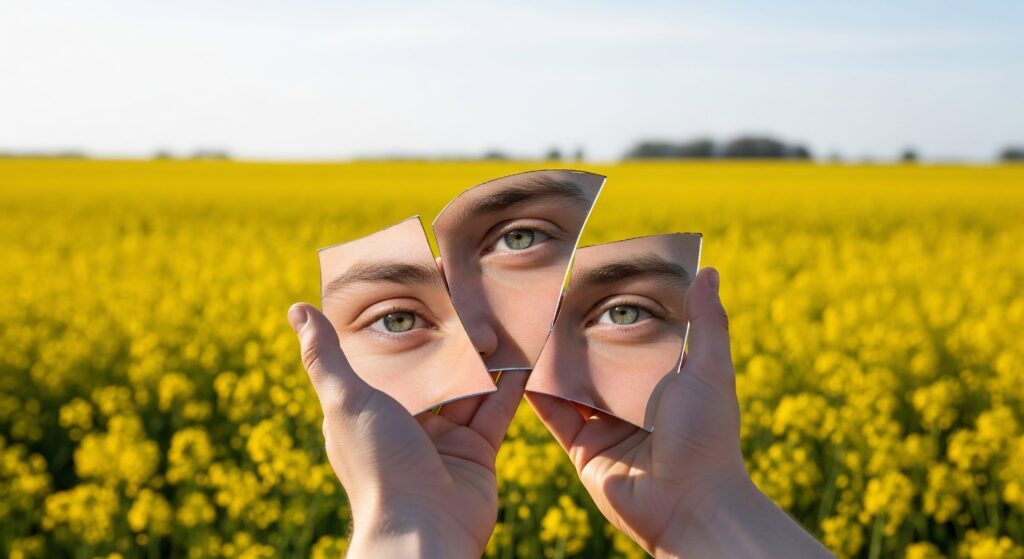
Unmasking is not an abrupt unveiling of your entire self. It is a gradual, compassionate reclaiming of your internal experience. It begins with noticing, becoming aware of the specific moments when you feel yourself slipping into performance or self-monitoring. This awareness alone can be a profound step toward reconnecting with your authenticity.
The process of unmasking invites curiosity. You might start by allowing a small truth to be spoken instead of hidden. You might explore what genuine comfort feels like in your body, whether that means needing quiet, movement, texture, or space. You might experiment with expressing emotions without pre-filtering them. Each one of these tiny shifts communicates to your nervous system that authenticity is becoming safer.
Therapy can offer a space where this unfolding happens at your own pace, without pressure. In a supportive environment, you can begin to discover which parts of you have been waiting for permission to exist, and how your life might shift when those parts are allowed visibility.
Why This Work Matters
Allowing yourself to unmask, even in small increments, creates space for deeper connection, both with yourself and with others. When you begin to reveal your real rhythms, preferences, and emotional experiences, you build trust with yourself. You allow your relationships to strengthen through honesty rather than performance. You free up emotional and physical energy that was previously tied to constant self-monitoring.
This work is not about abandoning the strategies that kept you safe; it’s about expanding your capacity to be fully yourself in places where safety and authenticity can coexist.
A Gentle Next Step
If something in this resonates, consider offering yourself a quiet internal question: What part of myself have I been holding back, and what would it feel like to let just a little bit of it emerge today? You don’t have to take big leaps. Unmasking often happens in small, steady moments, tiny acts of truth-telling that accumulate into a fuller, freer way of living.
You are allowed to take up space. You are allowed to be seen. And you don’t have to navigate the journey back to your authentic self alone.