
Intentional Spaces Blog

At Intentional Spaces, we believe that mental health care goes beyond the walls of the therapy room—it involves advocating for a world that respects and upholds the dignity, rights, and well-being of every person. Here on our blog, we will share insights, resources, and our stance on pressing issues like LGBTQ+ rights, women’s healthcare, and transgender healthcare.


Parenting a Child With ADHD: Coping Strategies for Daily Life thumbnail

Parenting a Child With ADHD: Coping Strategies for Daily Life

by Intentional Spaces Psychotherapy     Parenting is never simple, and for many caregivers, it can feel like a constant balancing act between meeting the needs of your child and...

Read More
Understanding Learning Disabilities: What Parents and Teachers Need to Know thumbnail

Understanding Learning Disabilities: What Parents and Teachers Need to Know

by Intentional Spaces Psychotherapy     When a child struggles in school, it can stir up a mix of emotions for both parents and teachers. Worry about their future, frustration...

Read More
Why It’s Hard to Say No and How to Begin thumbnail

Why It’s Hard to Say No and How to Begin

by Intentional Spaces Psychotherapy     “No” is such a small word, yet for many people it carries enormous weight. You might recognize the moment well: someone asks for your...

Read More
Thinking Disorders and Mental Health: How They Affect Daily Life thumbnail

Thinking Disorders and Mental Health: How They Affect Daily Life

by Intentional Spaces Psychotherapy     Have you ever found yourself in the middle of a conversation and suddenly lost your train of thought? Or maybe you have felt your...

Read More
The Impact of Family Conflict on Mental Health and Relationships thumbnail

The Impact of Family Conflict on Mental Health and Relationships

by Intentional Spaces Psychotherapy     Family is often imagined as a haven, a place where we can return at the end of the day for comfort, understanding, and love....

Read More
How to Heal After Domestic Violence: First Steps Toward Recovery thumbnail

How to Heal After Domestic Violence: First Steps Toward Recovery

by Intentional Spaces Psychotherapy     Leaving an abusive relationship is often spoken about as the finish line, the moment when everything should get better, when freedom and relief finally...

Read More
What Is Identity Fatigue? Signs You’re Tired of Always Fitting In thumbnail

What Is Identity Fatigue? Signs You’re Tired of Always Fitting In

by Intentional Spaces Psychotherapy   Ever walk away from a gathering feeling completely drained, even though, on the surface, nothing bad happened? Maybe you smiled at the right times, adjusted...

Read More
How to Build Self-Esteem After Childhood Criticism or Trauma thumbnail

How to Build Self-Esteem After Childhood Criticism or Trauma

by Intentional Spaces Psychotherapy     We often think of childhood as a time defined by warmth, filled with laughter, encouragement, and the kind of safety that allows a child...

Read More
Building Mental Resilience: Tools Every Young Athlete Should Know thumbnail

Building Mental Resilience: Tools Every Young Athlete Should Know

by Intentional Spaces Psychotherapy   Sports can be one of the most meaningful parts of growing up. They bring moments of exhilaration, winning a hard-fought game, feeling your body perform...

Read More
What Is Post-Traumatic Growth? Finding Strength After PTSD thumbnail

What Is Post-Traumatic Growth? Finding Strength After PTSD

by Intentional Spaces Psychotherapy   When someone experiences trauma, our first associations are often pain, fear, and disconnection. These feelings are real and deserve to be named. Trauma can shake...

Read More
Improving Focus and Attention in the Classroom: Tools for Parents and Students thumbnail

Improving Focus and Attention in the Classroom: Tools for Parents and Students

by Intentional Spaces Psychotherapy     It can be deeply frustrating to watch a child struggle to pay attention in school. Perhaps you notice them staring out the window during...

Read More
Do I Need Anger Management Therapy? Signs It’s Time to Seek Help thumbnail

Do I Need Anger Management Therapy? Signs It’s Time to Seek Help

by Intentional Spaces Psychotherapy     Anger isn’t inherently “bad.” It’s an emotion wired into us for survival, one that signals when something feels unjust, unsafe, or overwhelming. In its...

Read More
1 5 6 7 8

Belong

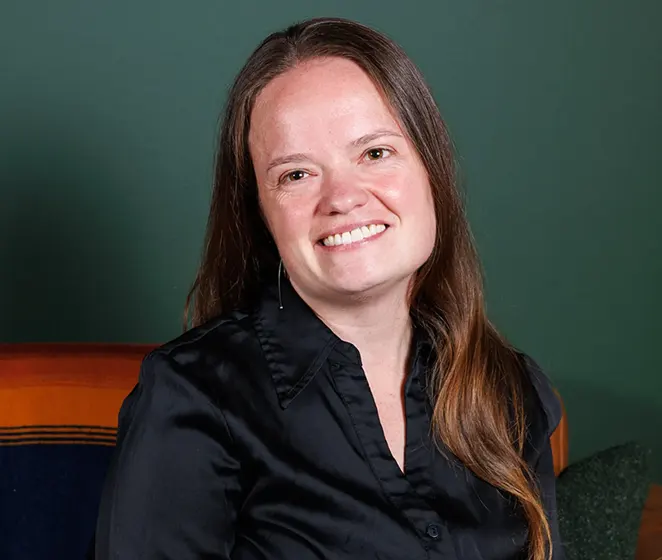
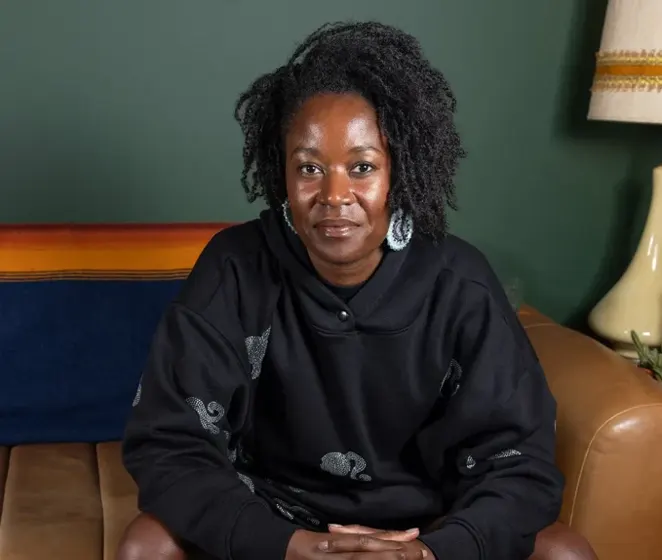
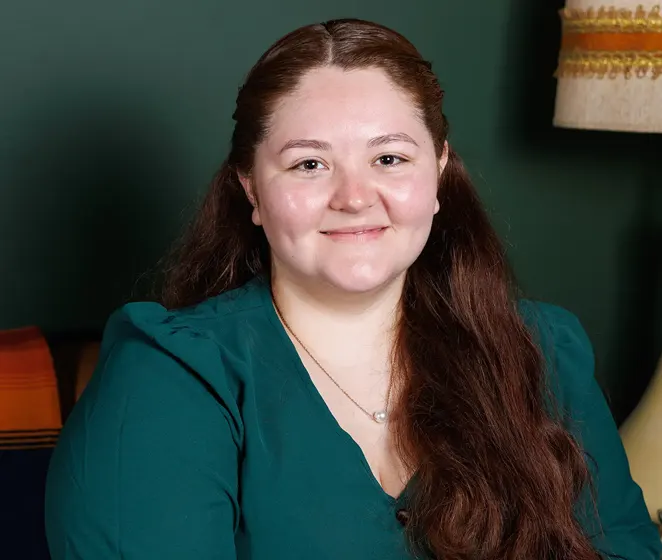
Meet Our Therapists

Laurel Lemohn

Laurel Lemohn

For deep-feelers navigating grief, trauma, relational hurt, or depression who want therapy that combines the body, the mind, and the breath.

icon
Kellie Mann

Kellie Mann

For queer, Black, or rural clients who want real connection, not performance, and therapy that makes room for all your trauma and all your truth.

icon
Savannah Delgado

Savannah Delgado

For anyone carrying trauma through generational wounds, hispanic/native identities, or chronic illness who needs therapy that honors all of who they are.

icon
Lujane Helwani

Lujane Helwani

For people unlearning people-pleasing, healing from power dynamics, navigating Muslim faith, and looking for a therapist who gets it because she’s lived it.

icon
Tianna Vanderwey

Tianna Vanderwey

For adults ready to process trauma, rebuild safety, and find empowerment—therapy that supports your journey with compassion and evidence-based care.

icon
Van Phan

Van Phan

For first-gen, neurodivergent, or queer folks trying to feel less alone in their story and more at home in themselves.

icon
Andrielle Vialpando Kristinat

Andrielle Vialpando Kristinat

For queer, neurodivergent, or Latinx young adults grieving, striving, or trying to find themselves—who need therapy that’s honest, grounded, and real.

icon
Caroline Colombo

Caroline Colombo

For LGBTQ+ and neurodivergent individuals seeking affirming support—therapy that understands your unique experiences and helps you navigate relationships and anxiety.

icon

Alicia Bindenagel

For adults ready to move through trauma, anxiety, or life transitions—therapy grounded in EMDR, CBT, and real-world healing.

icon

Alizea Pardo

For kids, teens, and young adults learning to regulate emotions, navigate change, or manage ADHD—therapy that brings mindfulness, curiosity, and care.

icon