By Intentional Spaces Psychotherapy
Many people expect returning home after living abroad to feel comforting and familiar. After all, it is a place they know, a culture they understand, and often where loved ones still live. Yet for many individuals, coming home can feel surprisingly disorienting. Instead of immediate relief, they may experience confusion, loneliness, frustration, or a sense that they no longer fully belong.
This experience is known as reverse culture shock. While culture shock describes the challenges of adapting to a new country, reverse culture shock occurs when someone returns to their home country after spending significant time elsewhere. The emotional adjustment can be unexpected because people often assume coming home should feel easier than leaving.
Understanding reverse culture shock can help normalize these reactions. Feeling disconnected after returning home does not mean you made a mistake by leaving or returning. It often reflects how profoundly life abroad has changed you.
What Is Reverse Culture Shock?
Reverse culture shock refers to the emotional, social, and psychological adjustment that occurs when someone returns to their home country after living in a different culture. During time abroad, people often adapt to new customs, values, routines, and ways of thinking.
When they return home, they may discover that familiar places no longer feel quite the same. At the same time, friends, family members, and communities may have changed while they were away. This can create a sense of disconnection that feels difficult to explain.
Many people are surprised by how emotionally challenging this transition can be because they expect familiarity to automatically create comfort.
Common Signs of Reverse Culture Shock
Reverse culture shock affects people differently, but many experience similar emotional and social challenges during the adjustment period.
You may notice:
- Feeling disconnected from your home culture or community
- Missing aspects of the country where you previously lived
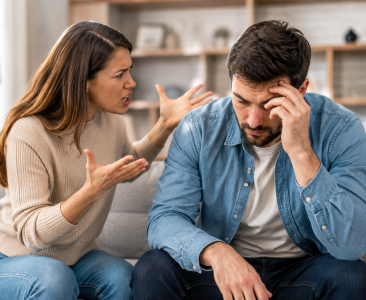
- Feeling misunderstood when talking about your experiences abroad
- Struggling to feel fully settled despite being back home
These reactions are common and often reflect the complexity of transitioning between different cultural environments.
Why Returning Home Can Feel So Strange
Living abroad often changes the way people see themselves and the world around them. New experiences can influence values, priorities, relationships, routines, and perspectives. Over time, these changes become part of daily life.
When returning home, there can be an expectation that everything will feel exactly as it did before. But both you and your environment have evolved. The person who left may not be the same person who returns.
This mismatch between expectations and reality often contributes to feelings of confusion, disappointment, or emotional distance during the adjustment process.
The Emotional Impact of Reverse Culture Shock
The emotional experience of returning home can be surprisingly intense. Many individuals feel caught between two worlds, unsure where they fully belong.
You may experience:
- Sadness about leaving your life abroad behind
- Frustration when others do not understand your experience
- Loneliness despite being surrounded by familiar people
- Grief for the version of yourself that existed overseas
These emotions can arise even when you are happy to be home and grateful for the opportunities you had abroad.
How Relationships May Feel Different
One of the most challenging aspects of reverse culture shock is realizing that relationships may not feel the same as they did before you left. Friends and family may have continued their lives while you were away, creating new experiences that you were not part of.
You may notice:
- Difficulty relating to people in the same way as before
- Feeling disconnected during conversations about daily life
- Frustration when others minimize your experiences abroad
- A sense that important parts of your journey are hard to communicate
These experiences can create feelings of isolation, even within familiar social circles.
Allowing Yourself Time to Readjust
Many people expect the adjustment process to happen quickly because they are returning to a familiar environment. However, reverse culture shock often requires patience and emotional flexibility.
Rather than expecting yourself to immediately feel settled, it can be helpful to recognize that returning home is another significant life transition. Rebuilding routines, reconnecting with relationships, and integrating your experiences abroad take time.
Permitting yourself to miss aspects of your life overseas while also creating a new sense of belonging at home can support a healthier adjustment process.
The Role of Support
Support can be especially valuable during reverse culture shock because the experience is often misunderstood. Friends and family may assume you are simply happy to be home and may not recognize the emotional complexity of the transition.
Therapy can provide a space to process identity changes, grief, cultural adjustment, and feelings of disconnection. It can also help individuals integrate their experiences abroad into their current life in a meaningful way.
Connecting with others who have lived abroad can also be validating. Shared experiences often reduce feelings of isolation and normalize the challenges of returning home.
A Gentle Closing Thought
Reverse culture shock is a reminder that significant experiences change us. Living abroad often expands perspectives, shapes identity, and influences how we see the world. Returning home does not erase those changes.
If coming home feels harder than expected, it does not mean something is wrong. It means you are navigating another important transition and adjusting to a life that may feel familiar yet different at the same time.
With patience, support, and self-compassion, it is possible to create a sense of belonging that honors both where you came from and the experiences that helped shape who you have become.