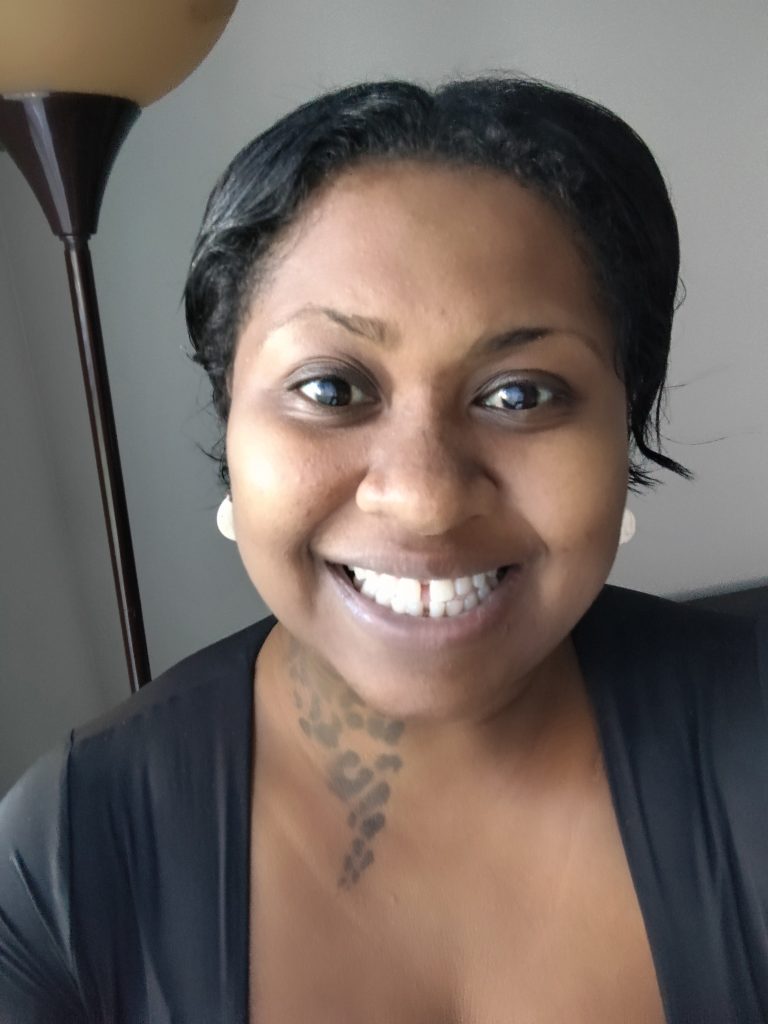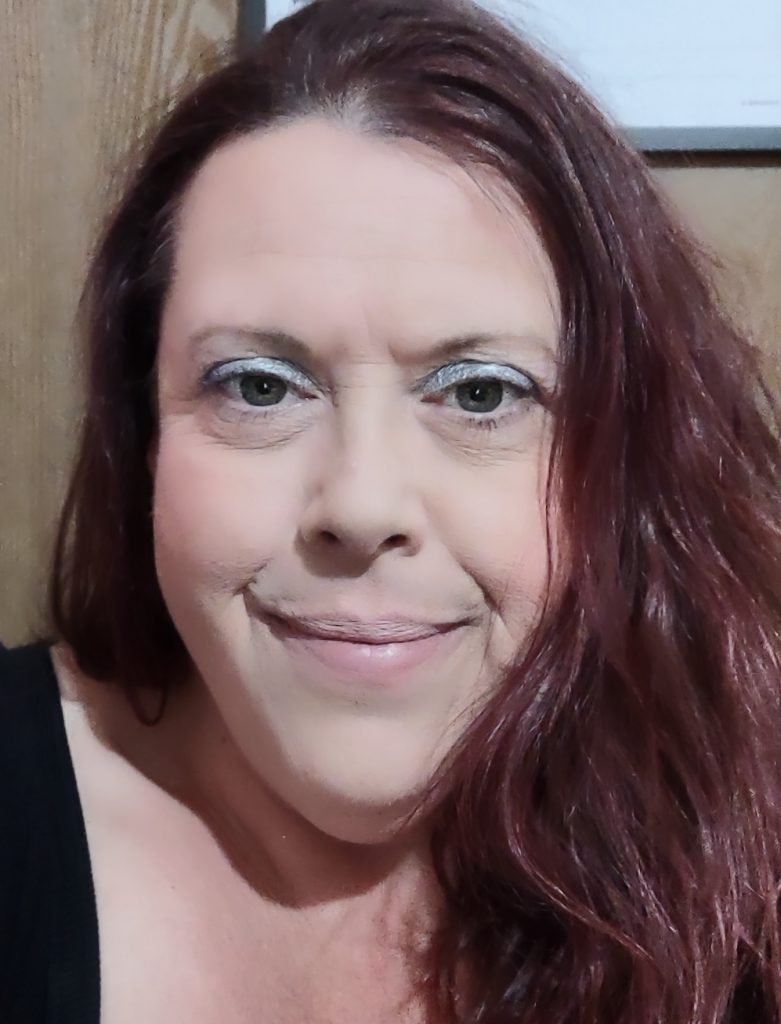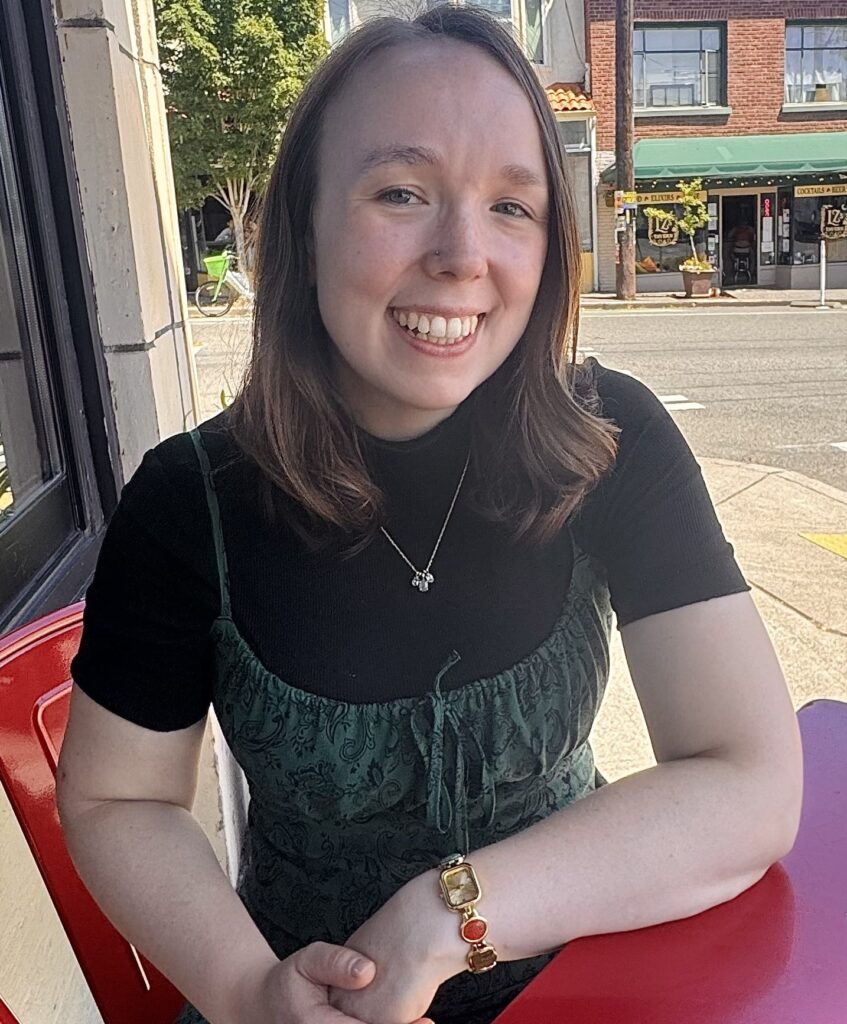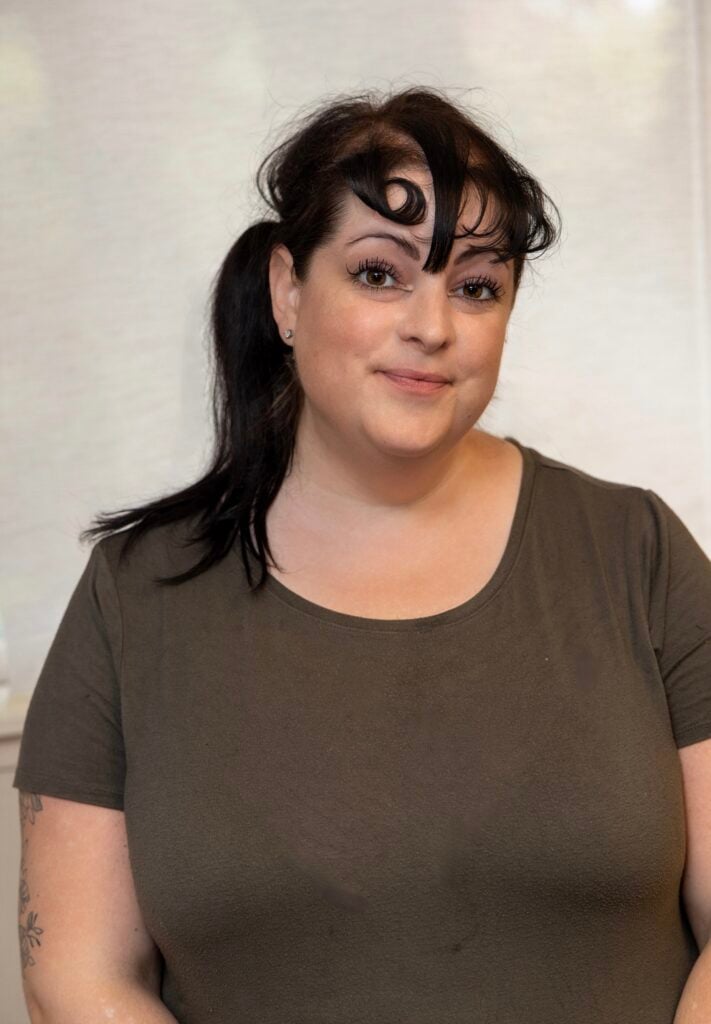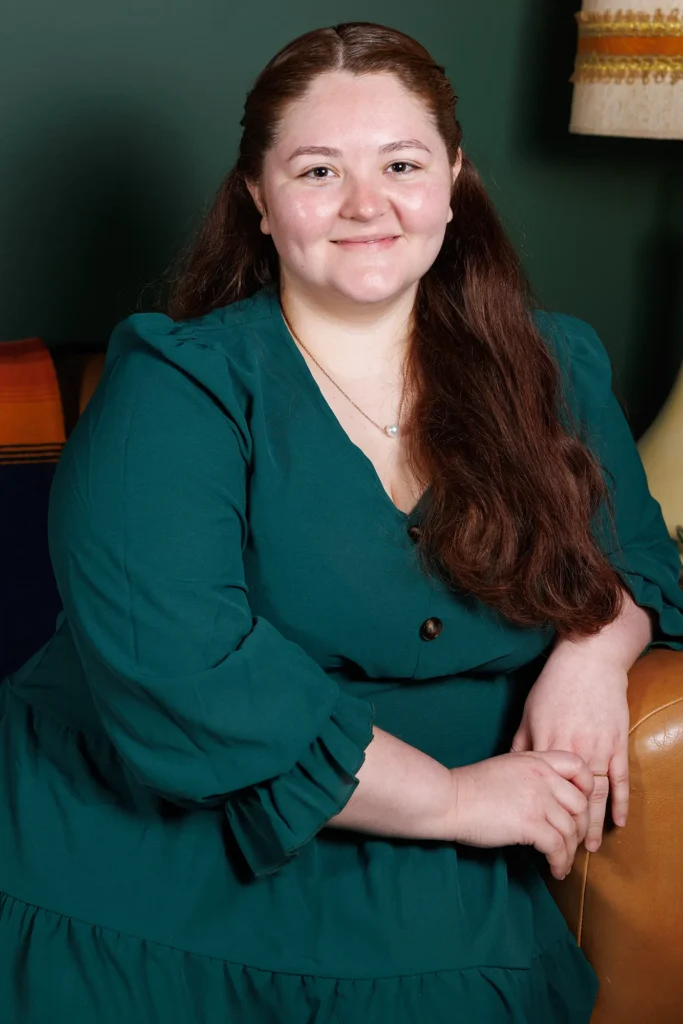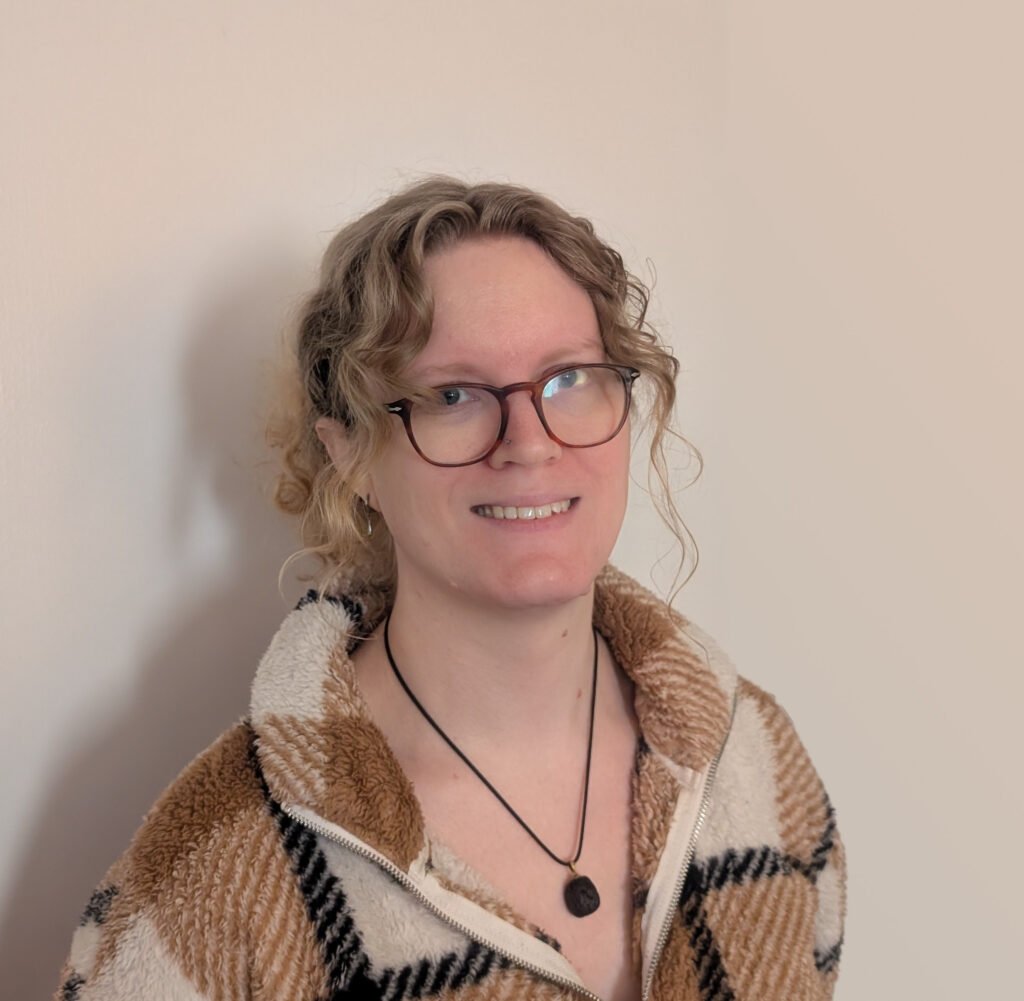

Anna Clark Miller is the Owner and Trainer at Empathy Paradigm, a practice that provides therapy, training, and resources for people recovering from religious trauma, spiritual abuse, and cult dynamics. She is a licensed counselor (LPC-S, LMHC-S, NCC) and clinical supervisor with experience in trauma work and high-control group recovery. She wrote The Religious Trauma Survival Guide and hosts the podcast Martyr, She Wrote for survivors and professionals. Her approach is religiously neutral and aims to support autonomy, empathy, and healing.



Here’s a glimpse of what you’ll learn:
- [03:11] Anna Clark Miller’s personal journey from missionary kid to trauma expert
- [06:23] How deconstructing faith brings grief and unexpected loss
- [08:44] Why survivor community is key to religious trauma healing
- [15:31] Understanding why fear doesn’t have to define your spiritual journey
- [18:38] Why reclaiming autonomy is central to recovering from religious trauma
- [20:58] Practical steps for therapists to maintain religious neutrality
- [25:20] Realizing why not all religion is cult-like and why that matters
- [33:53] How new rituals and self-loyalty foster post-religion empowerment
In this episode…
Leaving a high-control faith or religious community can feel like losing your entire world. The beliefs that once gave structure and meaning can suddenly become sources of pain and confusion. How do you rebuild a sense of self and safety when even your spirituality feels unsafe?
According to Anna Clark Miller, a licensed counselor, supervisor, and author who specializes in religious trauma recovery, healing begins with reclaiming autonomy and reconnecting with the body’s truth. She highlights that many survivors were taught to distrust their emotions and intuition, leaving them vulnerable to shame and disconnection. By practicing self-compassion and learning to listen to the body rather than fear it, individuals can begin to rebuild trust within themselves. This shift allows survivors to define their own values, relationships, and sense of spirituality on their own terms.
In this episode of With Intention, Liz Frost sits down with Anna Clark Miller, Owner and Trainer at Empathy Paradigm, to discuss healing religious trauma and reclaiming autonomy. They explore the process of deconstructing faith, the importance of neutrality in therapy, and how survivors can rediscover meaning outside organized religion. Anna also shares how community, curiosity, and self-trust create lasting freedom.
Resources Mentioned in this episode:
- Liz Frost on LinkedIn
- Intentional Spaces Psychotherapy
- Anna Clark Miller on LinkedIn
- Empathy Paradigm
- Empathy Paradigm Therapist Directory
- Martyr, She Wrote by Anna Clark Miller
- Religious Trauma Survival Guide: Education and Recovery Tools for Survivors and Professionals by Anna Clark Miller
- Sapiens: A Brief History of Humankind by Yuval Noah Harari
Quotable Moments:
- “Emotions that we don’t process don’t go away. It can’t be that simple. They come out in less convenient ways later.”
- “I tell people all the time, you get to be your own God. What do you want to create?”
- “There are actually parts of us that make a religion or a cult work, and those are ours to keep.”
- “Any control system, any religion, and any cult takes away the autonomy, and to reclaim that and say, ‘Actually, I am the arbiter of my own truth; I get to decide whatever that is so useful.’”
- “My passion is definitely raising awareness and offering resources to folks.”
Action Steps:
- Create safe spaces for deconstruction and dialogue: Providing judgment-free environments helps individuals process complex emotions tied to religious trauma and fosters healing through shared experiences.
- Center client autonomy in every session: Encouraging people to make their own choices restores the sense of control often lost in high-control religious systems.
- Practice religious neutrality as a clinician: Maintaining a nonjudgmental stance toward all belief systems ensures trauma-informed care and prevents the replication of harmful power dynamics.
- Connect survivors through supportive communities: Building inclusive networks for those recovering from spiritual abuse reduces isolation and reinforces belonging and empowerment.
- Encourage curiosity over certainty: Inviting clients to question beliefs and explore meaning without fear cultivates growth, resilience, and authentic self-discovery.
Sponsor for this episode
This episode is brought to you by Intentional Spaces Psychotherapy.
Founded by Liz Frost, LICSW, Intentional Spaces offers inclusive, trauma-informed virtual care across Washington State, helping individuals, couples, and families navigate life’s complexities.
Whether you’re processing religious trauma, exploring your identity, or seeking support for anxiety or depression, their diverse team of therapists specializes in EMDR, CBT, DBT, and narrative therapy, ensuring personalized support for every client.
Ready to embark on your healing journey? Go to intentionalspaces/contact, and take the first step toward a more intentional life.